

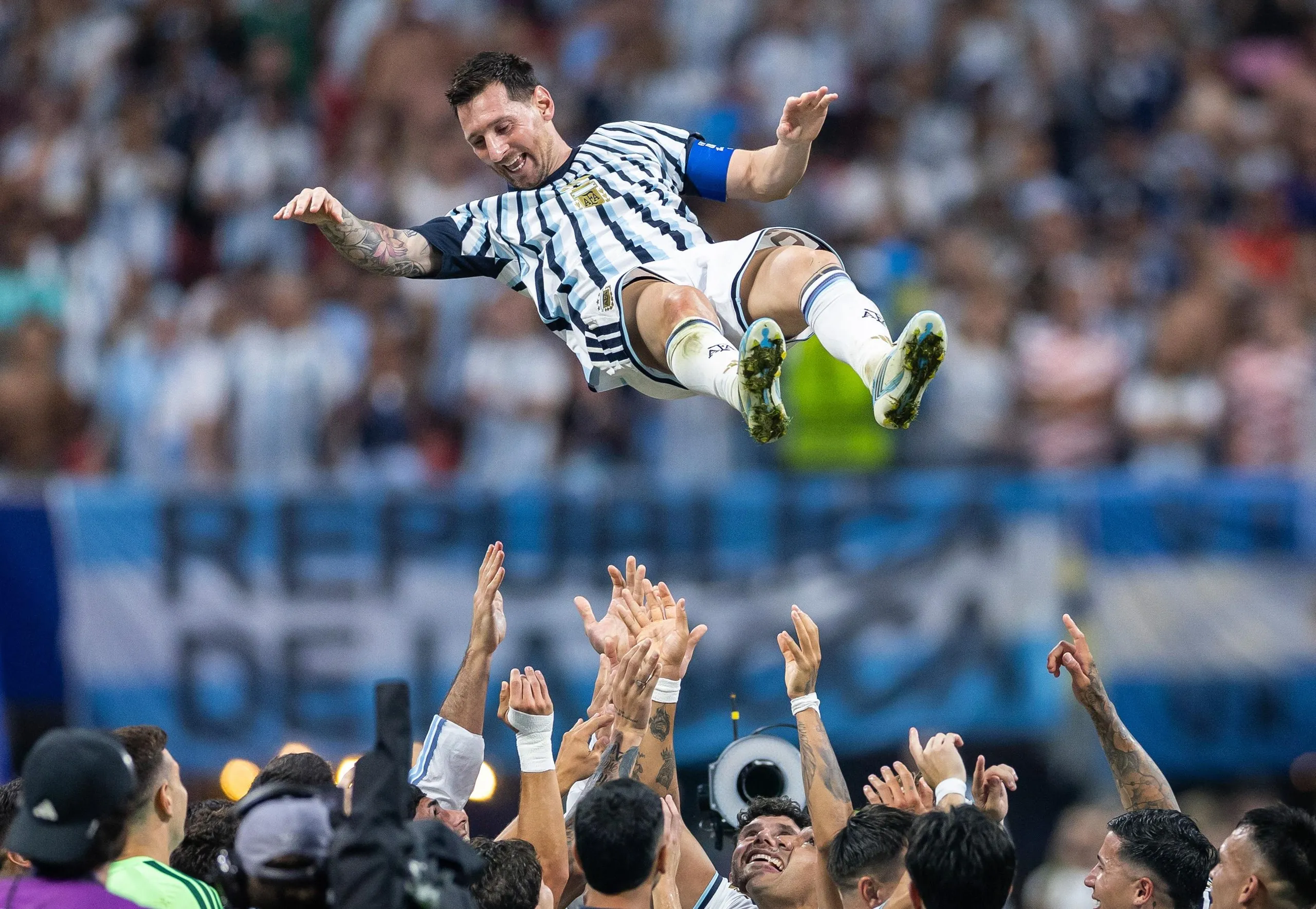
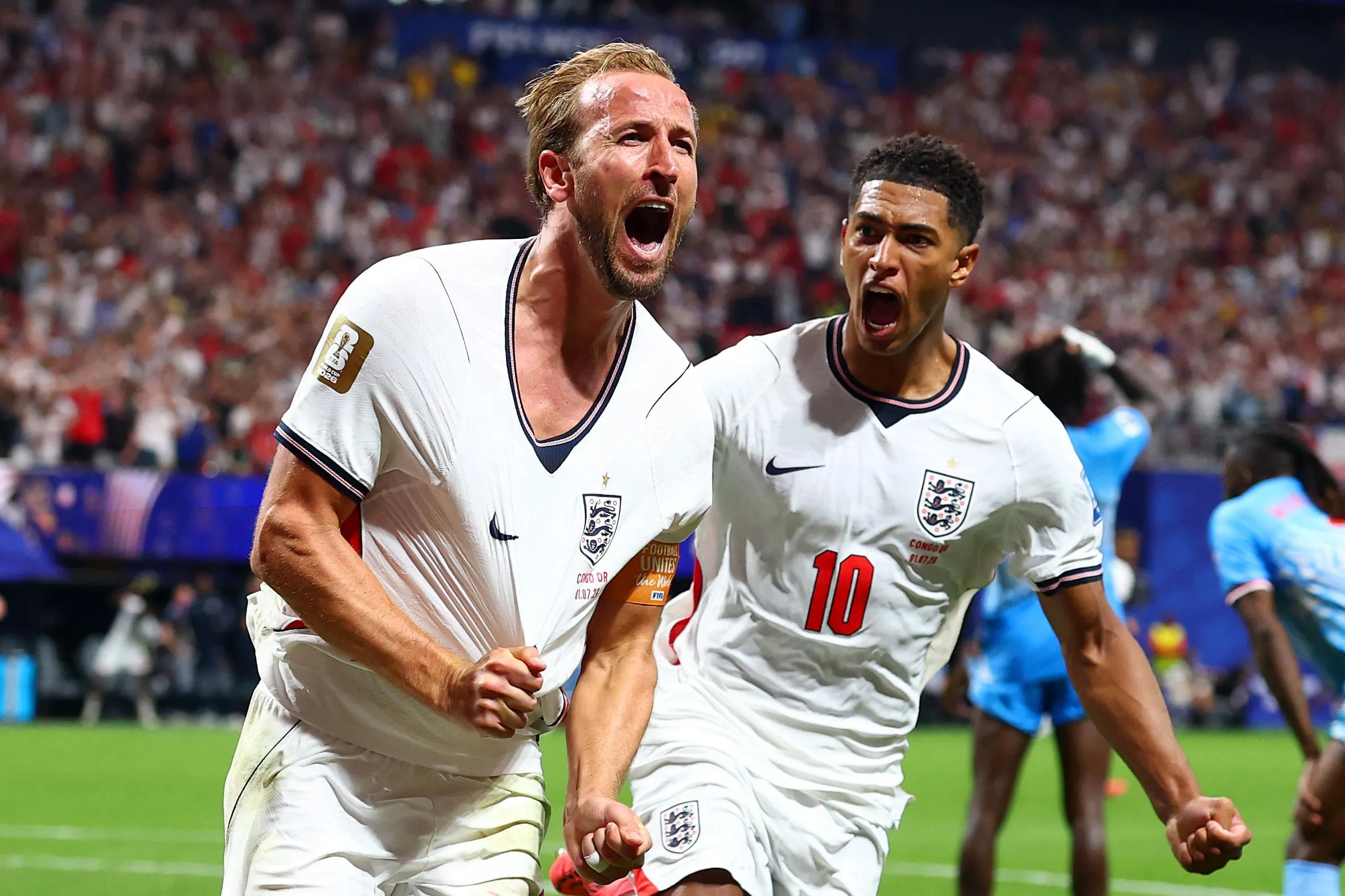
On Wednesday night, Atlanta Stadium will become the stage for a significant showdown, with 101 matches completed and only three remaining. The anticipation builds as the countdown begins, heralded by the voice of excitement that resonates in every World Cup match, a prelude to the chaos and thrill that awaits.
“NAYYYN!! EEEIGHYYT!! SEEEVEERRN!! …” echoes through the stadium, a signal that the game is about to unfold with all its unpredictability. This World Cup has been marked by its gripping moments, and now it reaches a climax that feels monumental, almost understated in its significance.
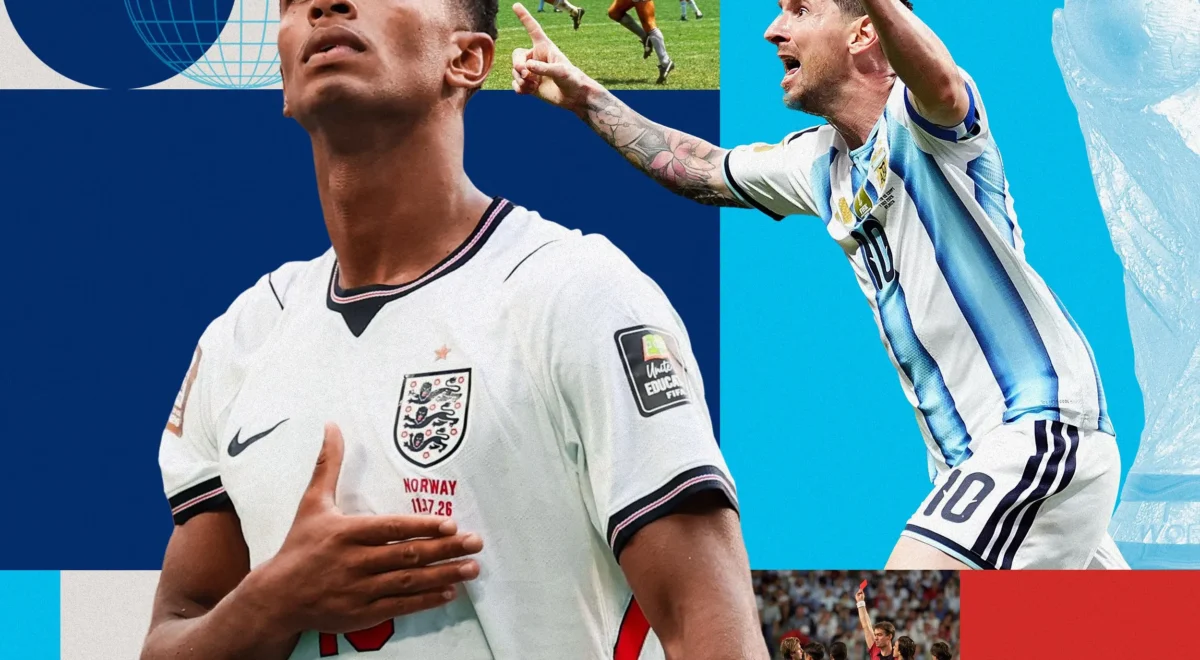
The upcoming face-off between England and Argentina promises to be one of the most significant encounters in international football history. While matches like Argentina-Brazil possess their own grandeur, and Germany versus the Netherlands is always compelling, this match holds a unique energy and emotional weight that transcends ordinary competition.
As the World Cup unfolds, it feels as though all narratives have been leading to this pivotal moment for both England and Argentina, creating an air of inevitable drama that intertwines with the myriad of conspiracy theories circulating online.
Three primary factors contribute to the heft of this matchup. Firstly, the historical relationship between the two nations is marked by the ongoing dispute over the Falkland Islands, an area 290 miles from Argentina and 8,000 miles from Britain, which has become a focal point due to recent discoveries of oil reserves in the region.
The Falklands War of 1982 remains a significant chapter in Argentina’s national consciousness, deeply rooted in its identity and football history. It’s akin to the memories of German bombers, but with the added weight of living scars from the conflict.
This rivalry is not one of mutual understanding; rather, it reflects an imbalance where the English may not fully comprehend the extent of their villainy in this narrative. To Argentina, football embodies its essence; it’s about iconic moments, like the infamous handball, and figures like Gabriel Batistuta, whose legacy is intertwined with the nation’s footballing lore.
For England, this match serves to clarify the depth of emotion that defines this rivalry. Both countries share a common trait: football plays an exaggerated role in their national identity. The teams, rather than being cohesive units, are a blend of extraordinary talents and dramatic comebacks, driven more by passion than by method.
The outcome in Atlanta is unlikely to be straightforward or devoid of intense drama. England has teetered on the brink in their recent matches, while Argentina fields players eager for confrontation. High-stakes moments are expected, from contentious VAR decisions to fierce challenges. This match promises to be a spectacle of football chaos.
Moreover, this clash represents a crucial chapter in the illustrious career of Lionel Messi, who is often hailed as the greatest player of all time and is revered in a manner that only modern sports culture can manifest.
There is a temptation to view this solely through the lens of Messi’s legacy; the notion that his brilliance will prevent a defeat at the hands of his country’s fiercest rivals. Despite his accolades, the pressure to deliver in this match weighs heavily, as a loss would cast a shadow over his storied career.
Nevertheless, all good things must come to an end. The adoration for Messi feels almost overwhelming, with teammates celebrating him in the locker room and an entire nation donning his jersey. Argentina appears to play not just for their team or country, but for Messi himself, creating a phenomenon reminiscent of what George Orwell termed “emotional nationalism.”
Messi’s performance at this World Cup has been remarkable, and given the commercial stakes involved, it is no surprise that conspiracy theories have emerged regarding FIFA’s intentions. Both England and Argentina have seen controversial refereeing decisions, leading to speculation that the organization favors Messi’s continued presence in the tournament for viewership and engagement.
While there is no definitive evidence supporting these claims, a series of questionable circumstances raises eyebrows. FIFA’s credibility has been compromised by its own actions, leading to growing distrust among fans and observers alike.
In the context of this historic rivalry, there’s also the novelty of the encounter. Messi has yet to face England on the international stage, though he has had considerable experience against Premier League teams. This past has set a precedent, offering England insights into how to manage this unpredictable and brilliant player.
The pivotal moment for Messi against English clubs can be traced back to the 2009 Champions League final. Since then, he has faced English teams 26 times, securing 17 victories, suffering four defeats, and netting 27 goals. His performances in England have been nothing short of spectacular, particularly memorable outings against Manchester City and Tottenham.
The positive takeaway is that Messi has only faced English clubs twice since a notable defeat at Anfield, with one win and one loss. His prior losses have primarily come against teams that apply high pressure, a tactic that England could adopt to limit Messi’s influence on the game.
As the atmosphere heats up, the match is poised to be a fierce contest. Messi has seen limited fouling in this World Cup, yet remains a player operating within a unique realm of excellence.
Wednesday night will prove critical for Messi’s narrative, potentially leading to either a third final or a heart-wrenching exit that will challenge collective expectations. Argentina is a formidable team, with numerous attacking players capable of taking advantage of any defensive lapses from England.
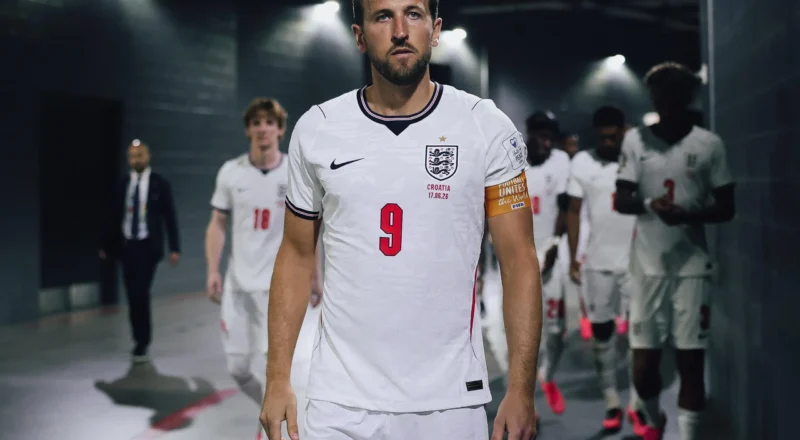
Declan Rice’s stamina will be vital in this matchup, while Harry Kane is overdue for a standout moment in a crucial match. Jude Bellingham’s recent interactions with his coach highlight the spirited nature of this England team and their potential to seize the moment.
The match promises to be a test of resolve and charisma, a battle to harness the energy of this intense occasion. Embracing a sense of calculated defiance may well be the key to success.
- World Cup 2026
- England
- Argentina
- Lionel Messi
- World Cup
- features