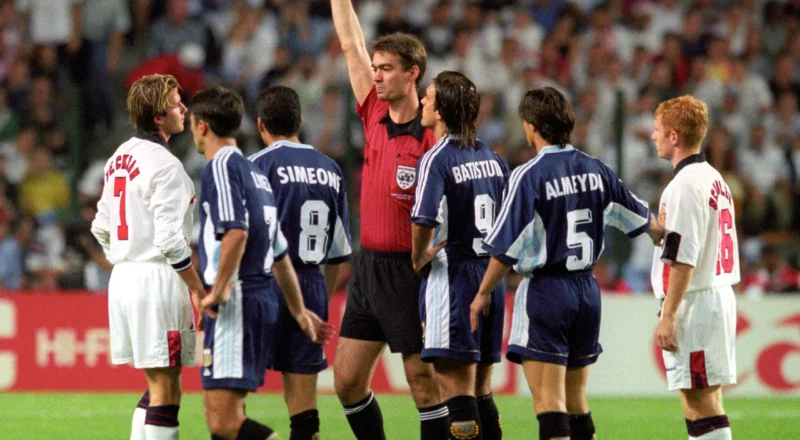


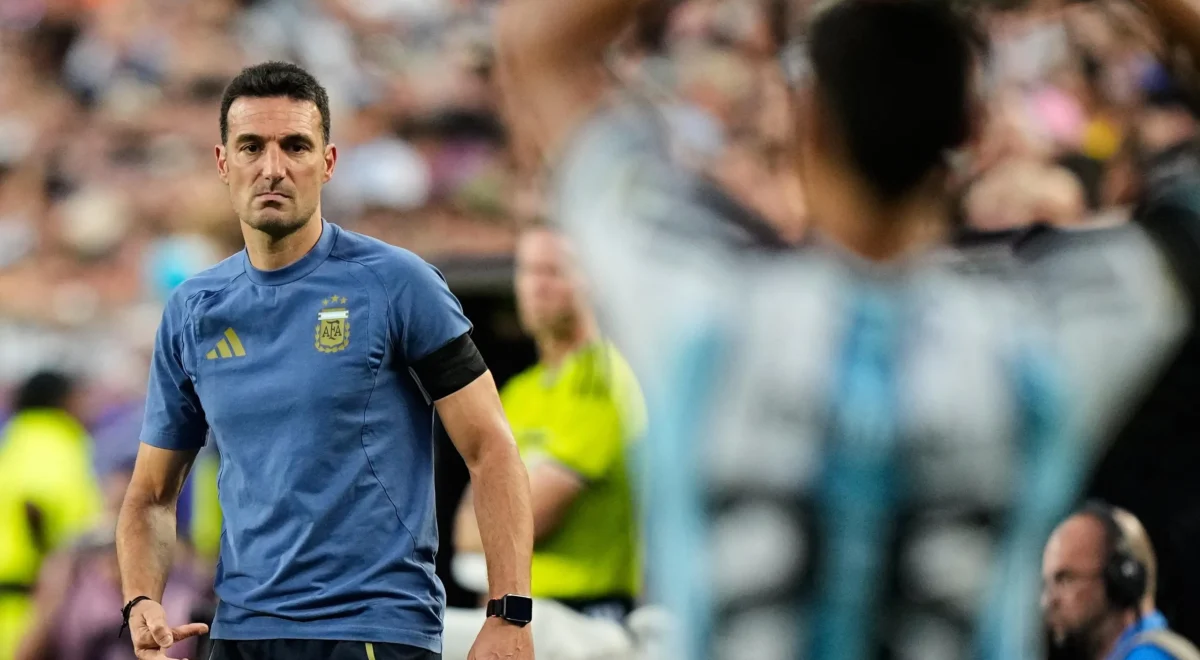
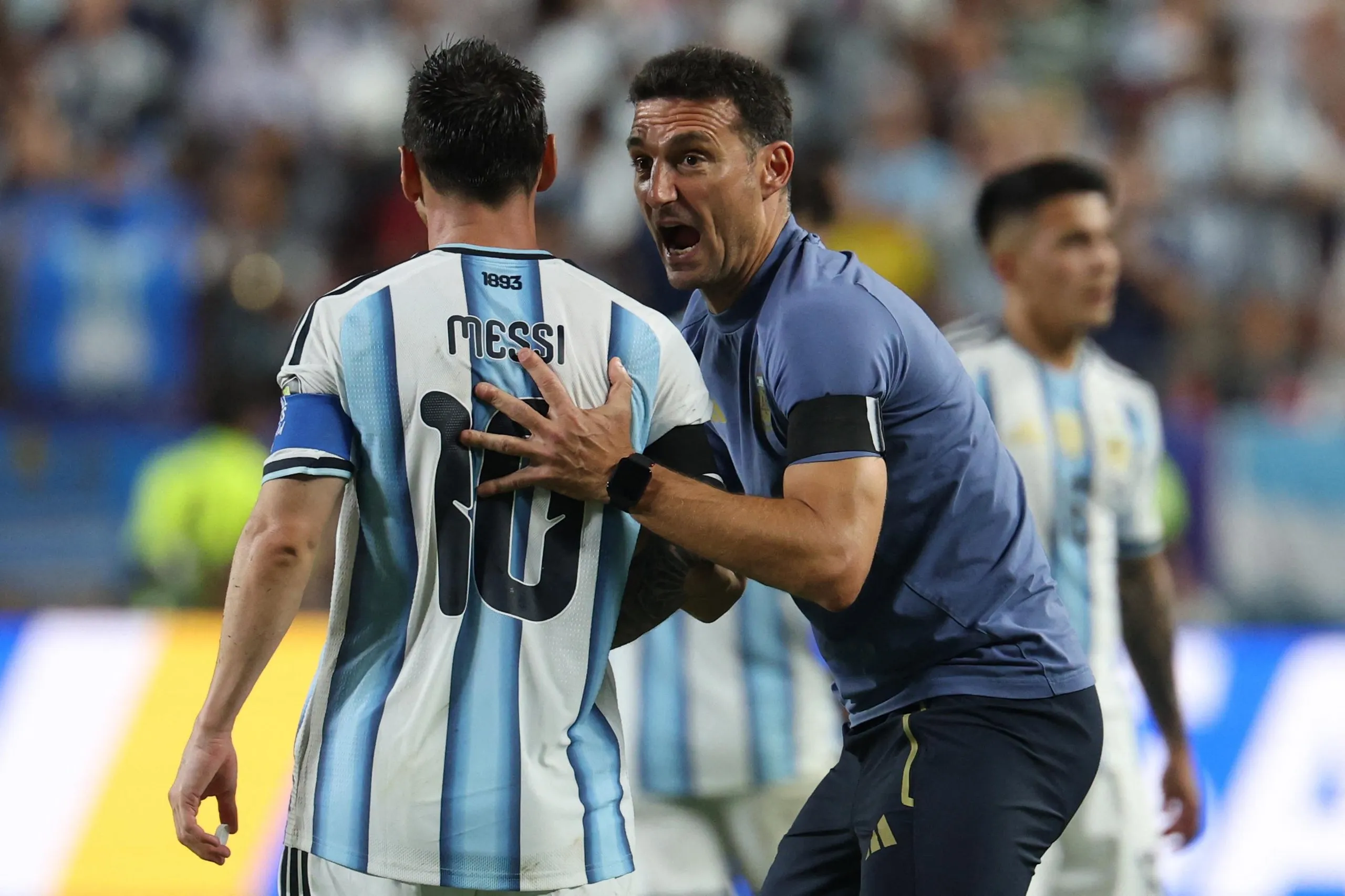
During Lionel Messi’s challenging international debut in Budapest in 2005, he experienced a harsh dismissal just 45 seconds after entering the match, following a clash with defender Vilmos Vanczak. In that brief appearance, Messi received only two passes, both from Lionel Scaloni. While this may seem insignificant, those initial interactions marked the beginning of a bond that could see Argentina become only the third nation to defend the World Cup title successfully.
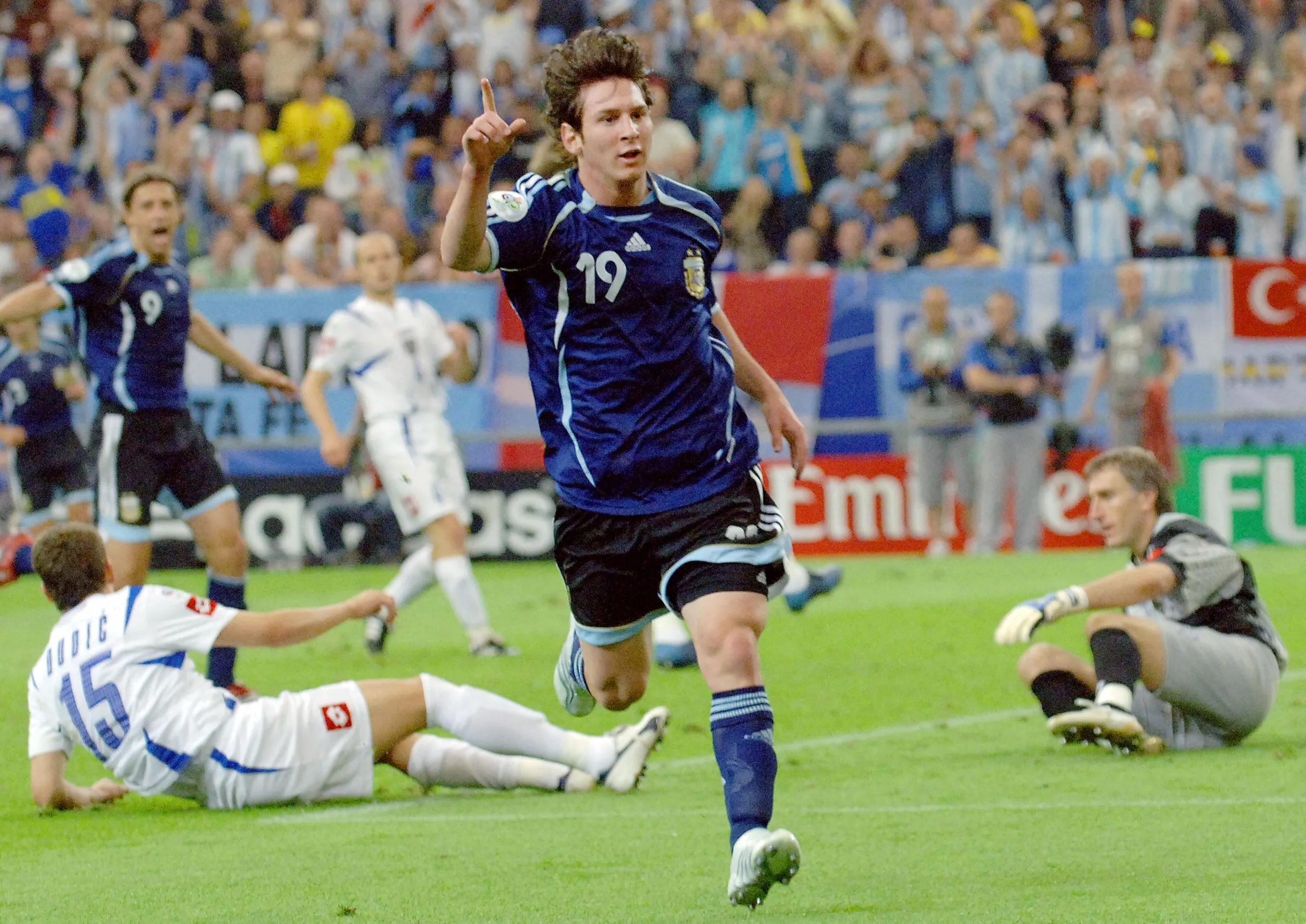
Messi has frequently highlighted Scaloni as one of the first to genuinely welcome him into the squad. Following his goal against Serbia and Montenegro during the 2006 World Cup group stage, where he became the youngest Argentine player in the tournament’s history at 18 years and 357 days, Scaloni was the first to embrace him in the tunnel with a congratulatory hug. Although only nine years older than Messi, Scaloni has taken on a somewhat paternal role in their relationship.
The journey since then has been remarkable, as Scaloni has guided one of football’s greatest players to achieve success on the world stage, despite stepping into the role of head coach largely by accident.
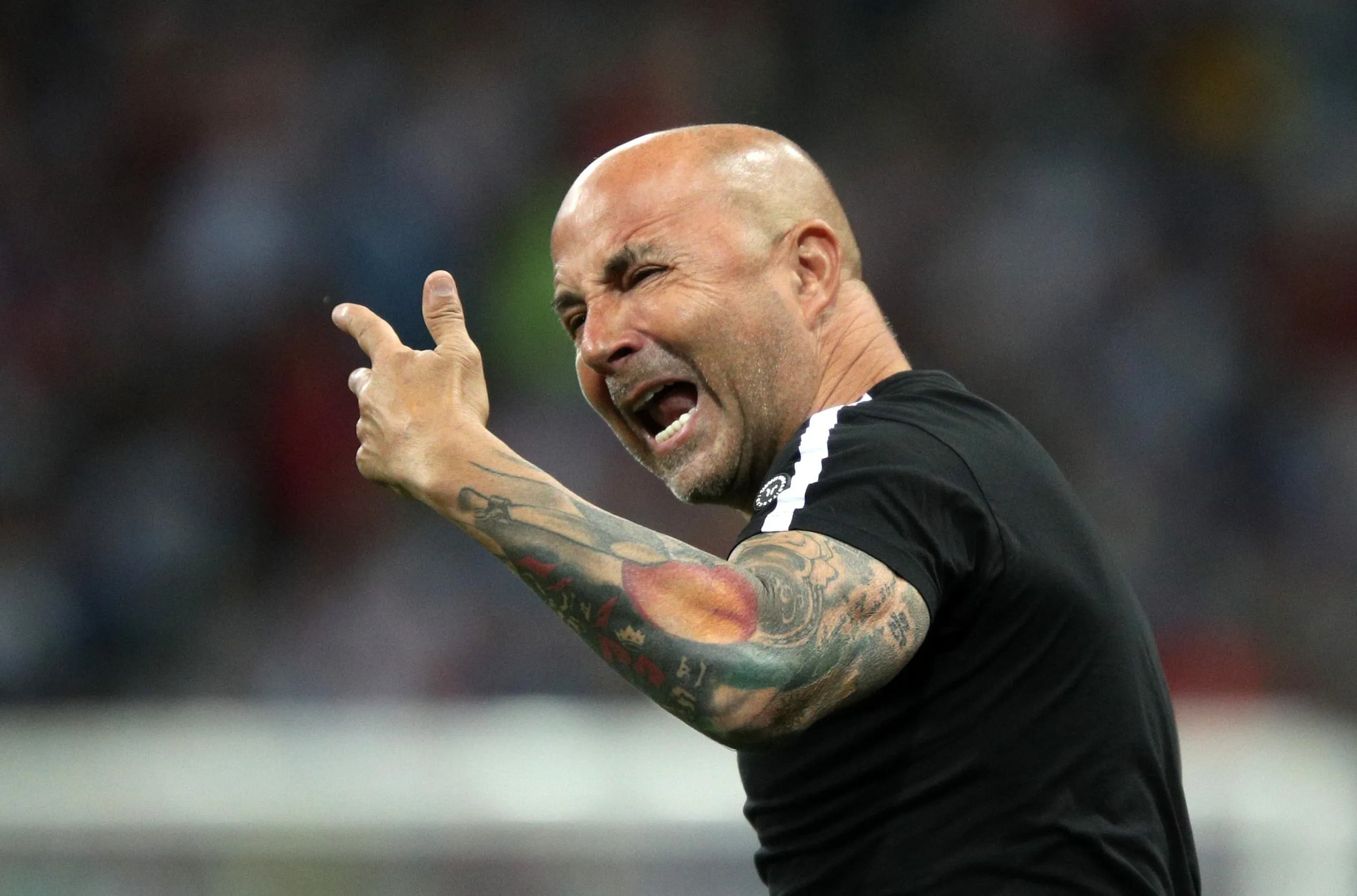
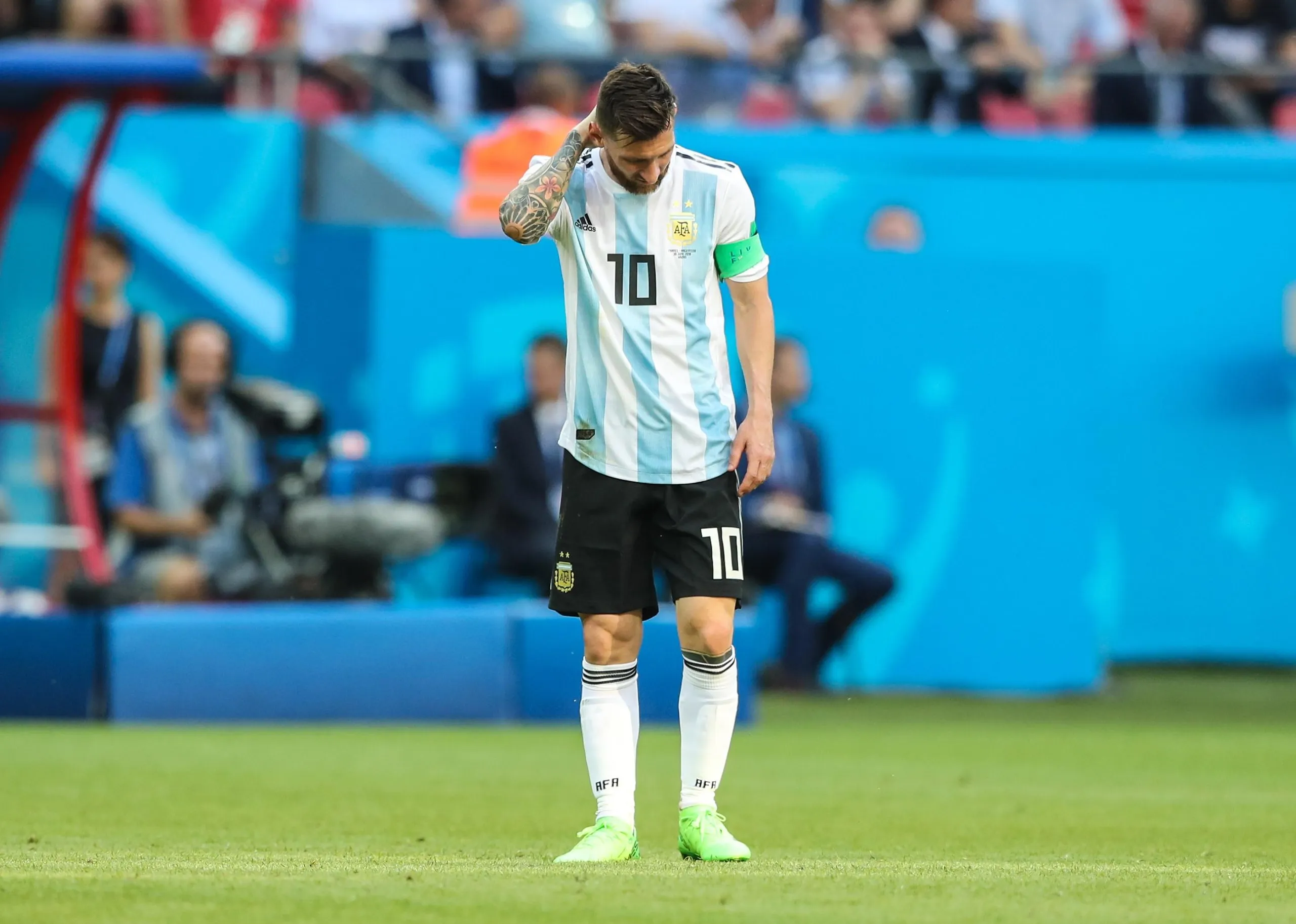
Scaloni took on the role of Argentina’s manager after the tumultuous 2018 World Cup, which was fraught with difficulties. Jorge Sampaoli, who had been brought in at significant cost from Sevilla, struggled to implement a high-pressing game that clashed with Argentina’s slower defense. The team faced a lackluster draw against Iceland, suffered a humiliating 3-0 defeat to Croatia, and only progressed from the group stage through a tense victory over Nigeria, thanks to Messi’s brilliance and a late volley from Marcos Rojo. In the knockout stage, they fell 4-3 to France, a match that was not as close as the score suggested, with France dominating throughout.
After the tournament, Sampaoli, who appeared overwhelmed by the pressure, resigned. However, the Argentinian Football Association (AFA) faced financial constraints, leaving them to consider who could lead a team that had not won a senior tournament since 1993, despite five Under-20 World Cup victories and the presence of Messi. Scaloni, who had been serving as the under-21 manager and had assisted Sampaoli in Russia, was appointed as a temporary solution to manage the six friendlies scheduled for the remainder of the year.
While Scaloni continued his work with the under-21 team, leading them at the L’Alcudia tournament in Valencia, Messi remained silent from Barcelona, having briefly retired from international duty following a penalty shootout defeat to Chile in the 2016 Copa América final. The future of Messi’s international career post-2018 was uncertain.
What was clear, however, was Scaloni’s understanding of Argentina’s need for Messi. To persuade him to return, Scaloni involved Pablo Aimar, a former River Plate and Valencia player who had been Messi’s idol, in a call to present a vision of a revitalized team centered around Messi.
Messi seemed convinced, potentially recognizing a common background. Scaloni, Aimar, and assistant coach Walter Samuel all had been part of José Pékerman’s Under-20 World Cup-winning squad in Malaysia in 1997, while Messi was in the fourth of Argentina’s five championship youth teams. Pékerman, who was the senior national coach at that time, had a lasting influence, emphasizing the importance of nurturing players not only as athletes but also as individuals.
Scaloni adopts a similar philosophy. His analyst, Matías Manna, has noted that a single asado (barbecue) can be more beneficial than numerous tactical video sessions. In major tournaments, where players are together for extended periods, fostering camaraderie becomes essential. Argentina has successfully cultivated this bond. When faced with pressure, as demonstrated in matches against Cape Verde, Egypt, and Switzerland, they consistently find an inner strength to prevail.
Messi plays a unique role within this dynamic. He has matured into a more prominent leader since four years ago, becoming increasingly vocal compared to his more reserved demeanor during past tournaments in Brazil and Russia. Despite the attention he commands, his teammates do not seem to resent it; instead, they express a desire to win for him. “He has a group of friends by his side,” Scaloni remarked earlier in the tournament, “people who will give their all for him, who see him as a god, but also as a kid from the barrio.” Scaloni has managed to strike this delicate balance effectively.
In Qatar, Scaloni’s most striking trait was his composure. “The sun will rise tomorrow,” he remarked following the loss to Saudi Arabia and the tense victory against the Netherlands. At times, it felt as though he bore the weight of an entire nation on his shoulders. His emotional breakdown after the winning penalty in the final shootout was touching, revealing a humble man overwhelmed by the significance of his accomplishments.
Throughout this tournament, Scaloni has displayed heightened emotion, to the extent that he struggled to finish his interview after the victory over Egypt. There is a sense that, like his team, Scaloni is riding an emotional wave, trying to maintain his composure. If he can sustain this for two more matches, he will join Vittorio Pozzo as only the second manager to win two World Cups. This achievement would come from a man who was initially appointed merely because the AFA could not afford a more renowned figure. The accidental coach stands on the brink of becoming one of the greatest World Cup managers in nearly a century.
- Argentina
- World Cup 2026
- World Cup
- features