

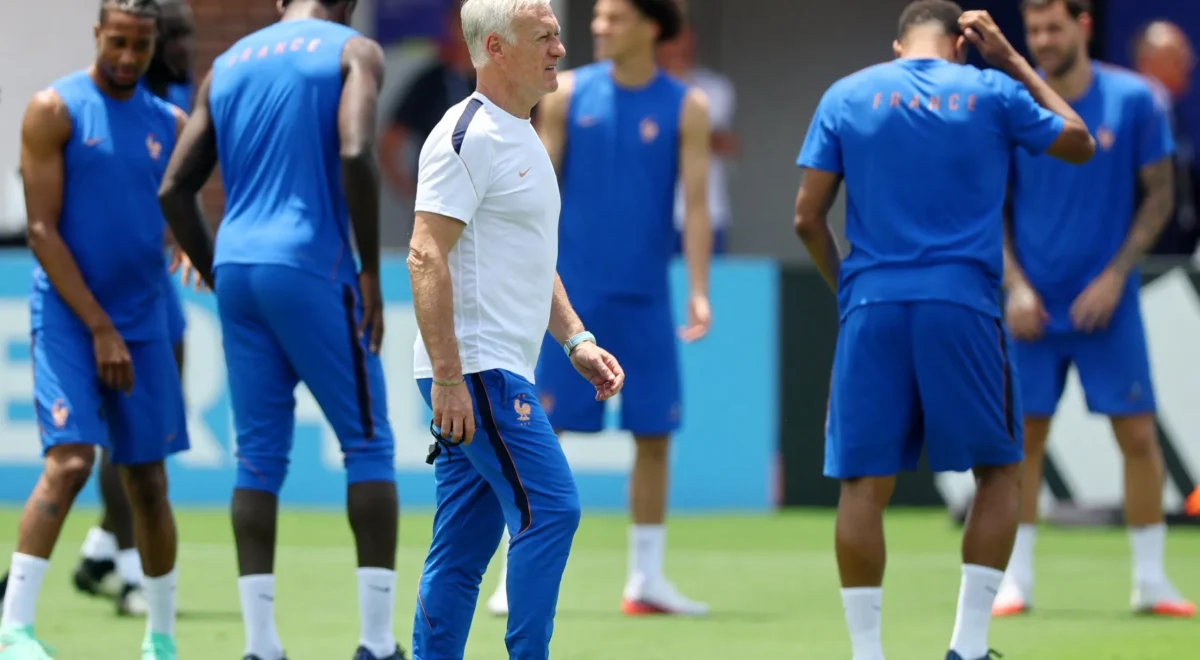
It was a moment that Didier Deschamps described as a stark awakening; by half-time, the light had dimmed for a revamped France team that faced a significant defeat against Italy in their Nations League opener. The discontent from the Parisian crowd was palpable, and just days later, a hostile reception greeted Deschamps in Lyon, where he was booed before a match against Belgium. This reaction underscored a sentiment that perhaps his once-celebrated tenure was nearing its end.
Fast forward nearly two years, and Deschamps finds himself on the brink of remarkable achievement. Should the next week unfold as anticipated, he will join an exclusive group of managers who have secured the World Cup title twice. France’s momentum has returned, poised to reach new heights if they can affirm their resurgence against Spain.
Dallas will serve as a crucial test for Deschamps’ strategic overhaul, distinguishing the elite coaches from the rest. Spain, led by the promising Lamine Yamal, previously handed France a deserved defeat in the Euro 2024 semi-finals. At that juncture, France appeared stagnant and constrained, prompting speculation that it was time for a new direction. The emergence of a new generation of players was essential.
Deschamps has indeed revitalized his squad, proving he was serious when he vowed to inject fresh energy into the team after the disappointment in Germany. Known for his pragmatic approach, he has loosened the constraints and unleashed a dynamic attacking style. This summer, no team has matched the speed, creativity, and quality of France’s offense.
The “I told you from day one, he’s on a mission,” a term coined dismissively by Eric Cantona during his playing days, has transformed his squad into a formidable force. Over the years, it has been easy to view Deschamps as merely a custodian of talent. Was France simply too talented to fail? Even during their triumphant World Cup campaign in 2018, critics questioned whether the team was underperforming. At the European Championship, he faced increased scrutiny for lacking an offensive strategy beyond relying on Kylian Mbappé’s brilliance. Yet, Deschamps has often been overlooked for the influence he wields.
That perception is likely to shift if he concludes his tenure with football’s grandest trophy in New Jersey. Many within the France camp believe that Deschamps’ announcement to step down following this tournament, made in January 2025, has provided a sense of release. This decision has reduced some of the scrutiny, especially with a new head coach, likely Zinedine Zidane, poised to establish a long-term vision. Deschamps has had a year and a half to prepare for this final chapter without the pressure of his future weighing on him. Departing on a low note would benefit no one.
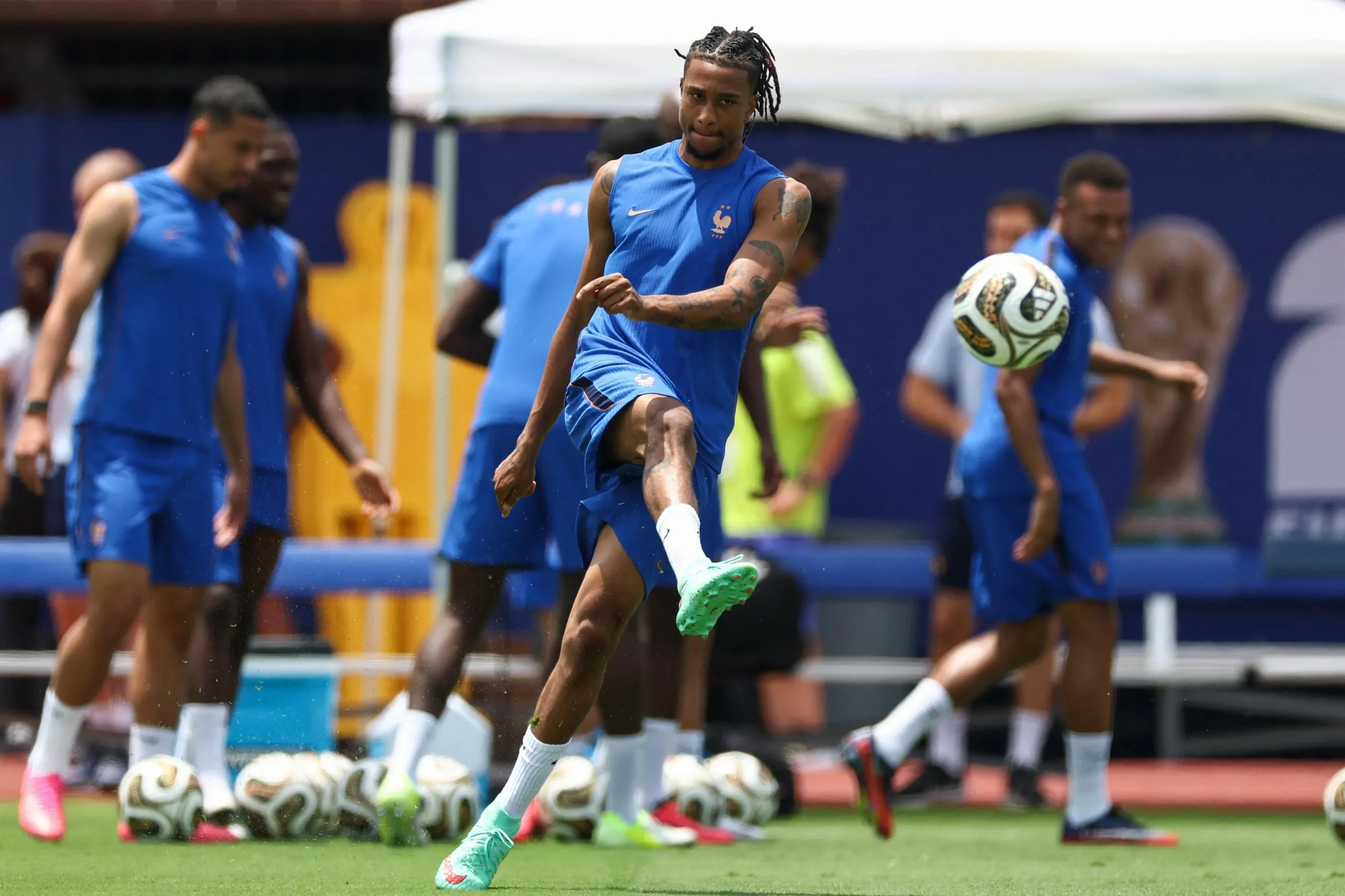
Spain is aware they will encounter a transformed opponent this time around. Their previous encounter in June 2025, an electrifying Nations League semi-final in Stuttgart, was a testing ground for Deschamps’ revised strategy. He made a pivotal adjustment by sacrificing a midfielder to employ four forwards in a 4-2-3-1 formation. This approach was first trialed during the disappointing match against Italy, where Michael Olise made his senior debut. It was subsequently refined, featuring Olise alongside Désiré Doué, Ousmane Dembélé, and, naturally, Mbappé in the match against Spain. Although France lost 5-4, a promising framework was established.
The same quartet is expected to start when the two teams clash again on Tuesday. It is worth noting that Deschamps has benefited from the relatively light burden on his Paris Saint-Germain players, who have had ample rotation during the less demanding Ligue 1 campaign following their Champions League success. A vibrant Bradley Barcola, who would be a guaranteed starter for almost any other national team, adds to the advantage alongside Doué and Dembélé. France appears revitalized, blending sharpness with elegance, capable of outpacing any opponent.
Deschamps faced considerable challenges in orchestrating a transition, particularly with the departures of Hugo Lloris, Raphaël Varane, Olivier Giroud, and Antoine Griezmann, all of whom enjoyed illustrious international careers. Griezmann’s retirement in September 2024 was especially poignant, given his close bond with Deschamps.
However, Deschamps has connected with the younger generation. There is a consensus within the squad that he has become more approachable and engaging. France is united, and communication is seamless. It is no longer sufficient to simply field eleven star players; Deschamps has discovered how to make each member of his team contribute effectively.
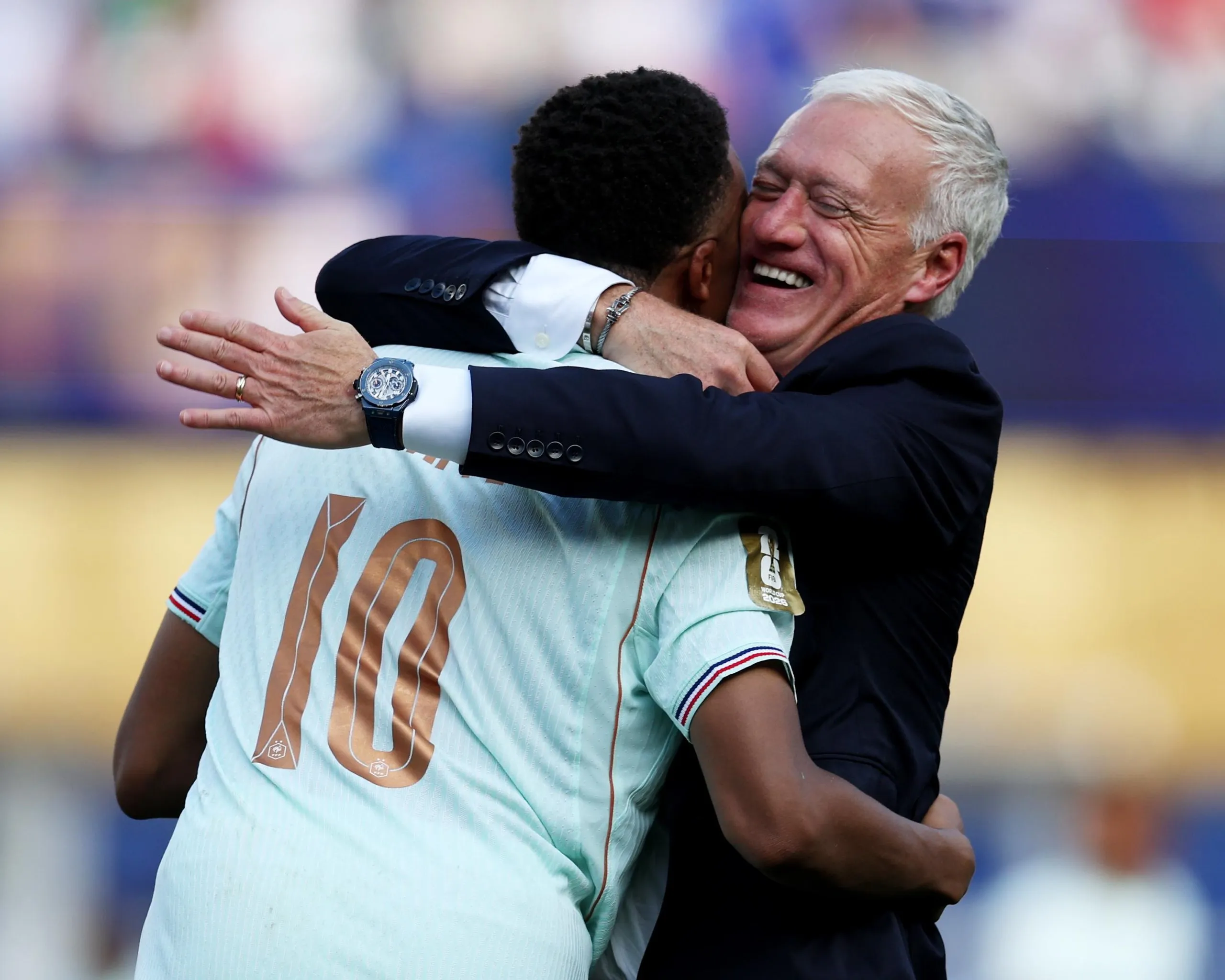
This includes Mbappé, who embraced Deschamps after netting France’s opening goal against Sweden in the round of 32. The coach returned to the sidelines following a personal tragedy, having missed the match against Norway due to his mother’s passing. “I told you from day one, he’s on a mission,” Deschamps remarked about Mbappé, whose determination to erase the painful memories of Qatar 2022 is evident. Their relationship has drawn parallels to the bond Deschamps shared with Aimé Jacquet in 1998 when he captained France to victory in the World Cup on home soil.
The echoes of history may resonate in New Jersey on Sunday. Spain will present France with their most comprehensive challenge thus far, having faced an underwhelming Senegal and a second-string Norway that did not require the level of effort expected in the group stage. The upcoming week could determine whether Deschamps, still only 57, solidifies his legacy as one of the all-time greats. Achieving titles with various squads, each in their unique style, is the clearest measure of success. From the shadows of doubt, Deschamps and France are poised to seize a brilliant reward at the culmination of their shared journey.
- France
- World Cup 2026
- World Cup
- Kylian Mbappé
- features