

In the world of NASCAR, every car number embodies a distinct identity, rich history, and emotional resonance. Some numbers carry the weight of nearly eight decades of stock car racing tradition, eliciting passionate responses from fans whenever they take to the track. Others are still carving out their legacy in the annals of the sport. Yet, the fascination with numerology remains a captivating aspect of NASCAR, where car numbers are integral to the identity of both drivers and teams.
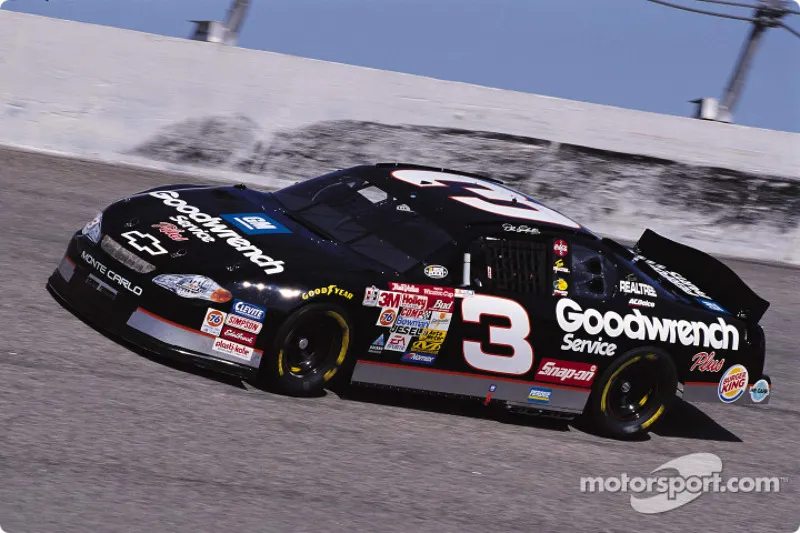
Throughout history, the No. 11 has secured the most wins, while the No. 43 has participated in the most races. Some numbers have achieved a level of reverence that many drivers aspire to, such as the legendary No. 3, which continues to be a common sight on passenger vehicles across the United States today.
Is numerology compelling? Absolutely! However, does it hold substantial significance? Not particularly. For those intrigued by parallels and curious patterns, an exploration of the numerology surrounding NASCAR’s premier event—the Daytona 500—was essential. In particular, we examined the car numbers associated with the champions of the past 67 iterations of this esteemed race. This year, there are 22 winning numbers from the Daytona 500 represented in the current lineup, with a potential 23rd if Justin Allgaier qualifies in the No. 40. Notably, only seven numbers that have previously triumphed in the 500 are absent from this year’s extensive entry list.
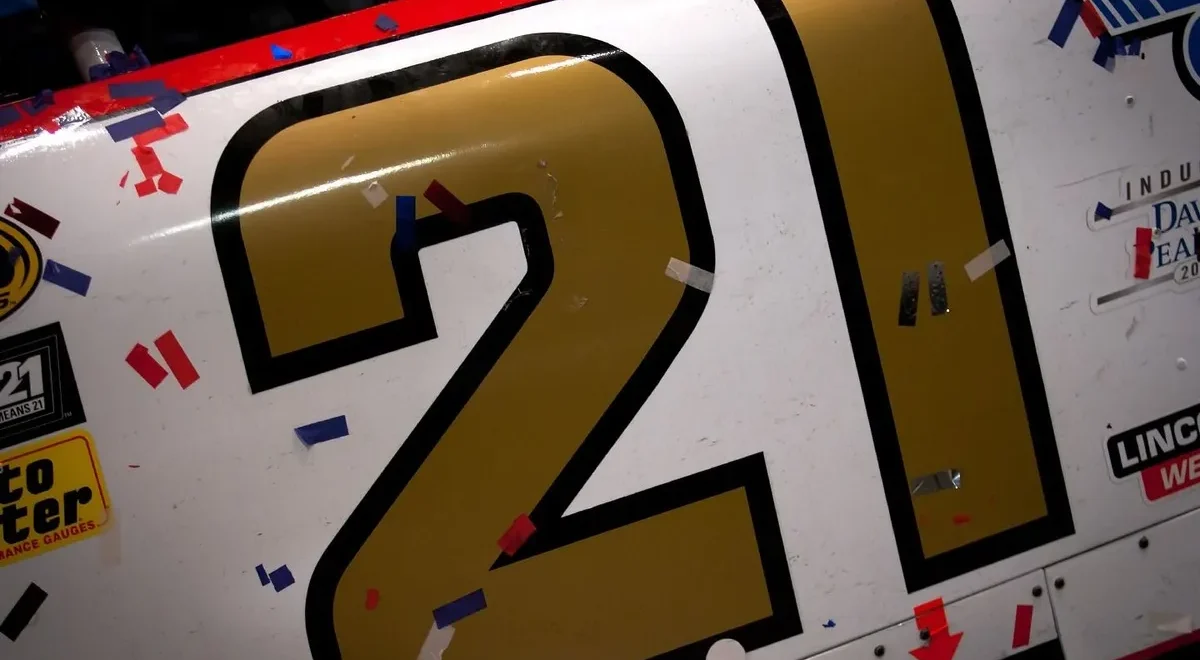
The most successful number in the history of the Daytona 500 is unsurprisingly well-known. The No. 43 has claimed Victory Lane on seven occasions, all thanks to ‘The King’ Richard Petty. Closely trailing is the No. 21, owned by the Wood Brothers, which has achieved five victories in this prestigious race. Unlike Petty, who won all seven times in the No. 43, the No. 21 has seen five different drivers take it to victory, starting with Tiny Lund in 1963 and culminating with Trevor Bayne in 2011. This diversity in victories adds an impressive dimension to its legacy.
Also boasting five wins is the No. 28; however, it hasn’t secured a victory since 1992 and is no longer in active use in the Cup Series, making future wins unlikely. The No. 11 has also reached five Daytona 500 victories, including three in the last decade, primarily due to Denny Hamlin’s success. Hamlin came close to adding another win last year but was involved in a last-lap crash while leading. William Byron ultimately clinched that race, marking the No. 24’s fifth Daytona 500 win.
The No. 11 further distinguishes itself with a remarkable gap of 53 years between its first and latest victories in the 500 [1967 – 2020]. Coincidentally, the No. 22 shares the same 53-year span between its initial and most recent triumphs [1962 – 2015]. Both numbers have a strong chance of reaching Victory Lane again this weekend, represented by Hamlin and Logano, respectively.
That record could very well be challenged by other numbers this year, specifically the Nos. 20, 21, 42, 40, and 43. Christopher Bell aims to lead the No. 20 to its first Daytona 500 victory since Marvin Panch in 1961, while the No. 42, driven by John-Hunter Nemechek, surprisingly hasn’t tasted victory since the inaugural event in 1959 with Lee Petty behind the wheel.
Forecasting the Winner Based on Car Numbers
Do recent patterns offer any clues about who might emerge victorious in 2026? We endeavored to identify any conceivable trends, but the results were inconclusive.
The last driver to approach the Daytona 500 aiming for a three-peat, in association with his car number, was in 2021 when the No. 34 triumphed. Could Todd Gilliland be one to watch? While such predictions may seem trivial, they can be an engaging pursuit. Other numbers that have won when thwarting a three-peat attempt include the No. 88 (1996), No. 9 (1985), and No. 72 (1975). However, the significance of these results is minimal. Interestingly, Bill Elliott secured his first Daytona 500 victory in the No. 9 following a back-to-back winner’s bid, so perhaps his son Chase could replicate that success in the same number this year.
Furthermore, history suggests which numbers may be less likely to secure a win. A total of 30 different car numbers have claimed victory in the Daytona 500, yet none in the 50s or 60s have ever achieved this feat. Consequently, drivers like Ty Gibbs [No. 54] and Ryan Preece [No. 60] could potentially make history, especially since Preece recently won the Cook Out Clash at Bowman Gray. Other competitors with numbers in the 50s and 60s this week include Cody Ware, Anthony Alfredo, Casey Mears, and Corey Heim, with the latter three all being open entries.
Upon examining these statistics, one notices a growing unpredictability in recent winning numbers, reflecting the trend of surprising victors in the modern Daytona 500. The 2021, 2022, and 2023 races produced winners with car numbers that had never previously triumphed (Nos. 2, 34, 47). Among the numbers that achieved their first Daytona 500 win in the 21st century, only one—No. 48 with Jimmie Johnson—has gone on to secure multiple victories in the past 25 years. Thus, it may be wise to consider a number yet to achieve a Daytona 500 win this Sunday, unless one is betting on Byron for an unprecedented three-peat.
Close Calls for Unfortunate Numbers
What about the numbers that remain competitive each week but have yet to experience the thrill of a Daytona 500 victory? Numbers such as 6, 16, and 99 have come agonizingly close, each finishing as runner-ups twice. These, along with the No. 97—now back in action with Shane van Gisbergen—are the only numbers that have recorded more than one second-place finish in the 500 without ever crossing the finish line first. This year could be the year for drivers like SVG, Brad Keselowski [No. 6], A.J. Allmendinger [No. 16], or Corey LaJoie [No. 99] to change that narrative.
In 2025, Tyler Reddick made history as the highest-finishing driver in the No. 45 at the 500, securing second place, while Johnson achieved a similar milestone by finishing third in the No. 84 last February.
Ultimately, the true determinants of success in NASCAR’s crown jewel event are not merely the car numbers but the skill of the driver, the team’s performance, and often the unpredictable influence of luck. Yet, these numbers, each with varying degrees of fame, have played a vital role in the Daytona 500’s storied history, and this weekend, one will surely add a new chapter filled with champagne-soaked celebration.