

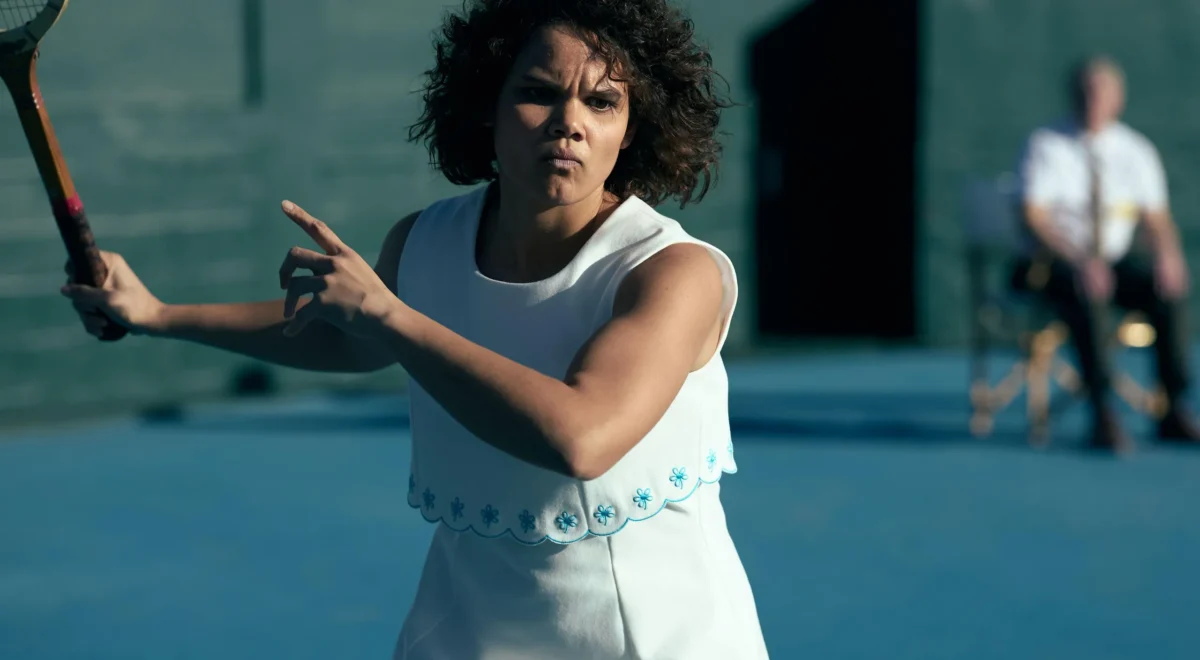
The seriesGoolagongopens with the soulful melody of Ann Peebles singing: “It’s your thing – do what you wanna do!” This choice of music sets an inspirational tone as Evonne Goolagong, portrayed by Lila McGuire, prepares for her maiden Wimbledon match. Notably, Goolagong not only became the first Aboriginal player to compete in this prestigious tournament, but she also claimed the ladies’ singles title twice, in 1971 and 1980, alongside a doubles victory in 1974, and ultimately secured seven Grand Slam titles during her career, reaching the world No. 1 ranking.
This three-part drama from Australia’s ABC strikes a balance between sentimentality and the harsh realities of sport. The opening scene of a young Evonne, played by Eloise Hart, wandering through the All England Club, gazing at portraits of former champions, is somewhat heavy-handed. However, more serious themes emerge as the narrative unfolds, presenting a tribute to a sporting legend that is rich in nostalgia and reflection. Yet, one might question the necessity of witnessing the primary school-aged Evonne repeatedly hitting a tennis ball against a wall with a plank of wood.
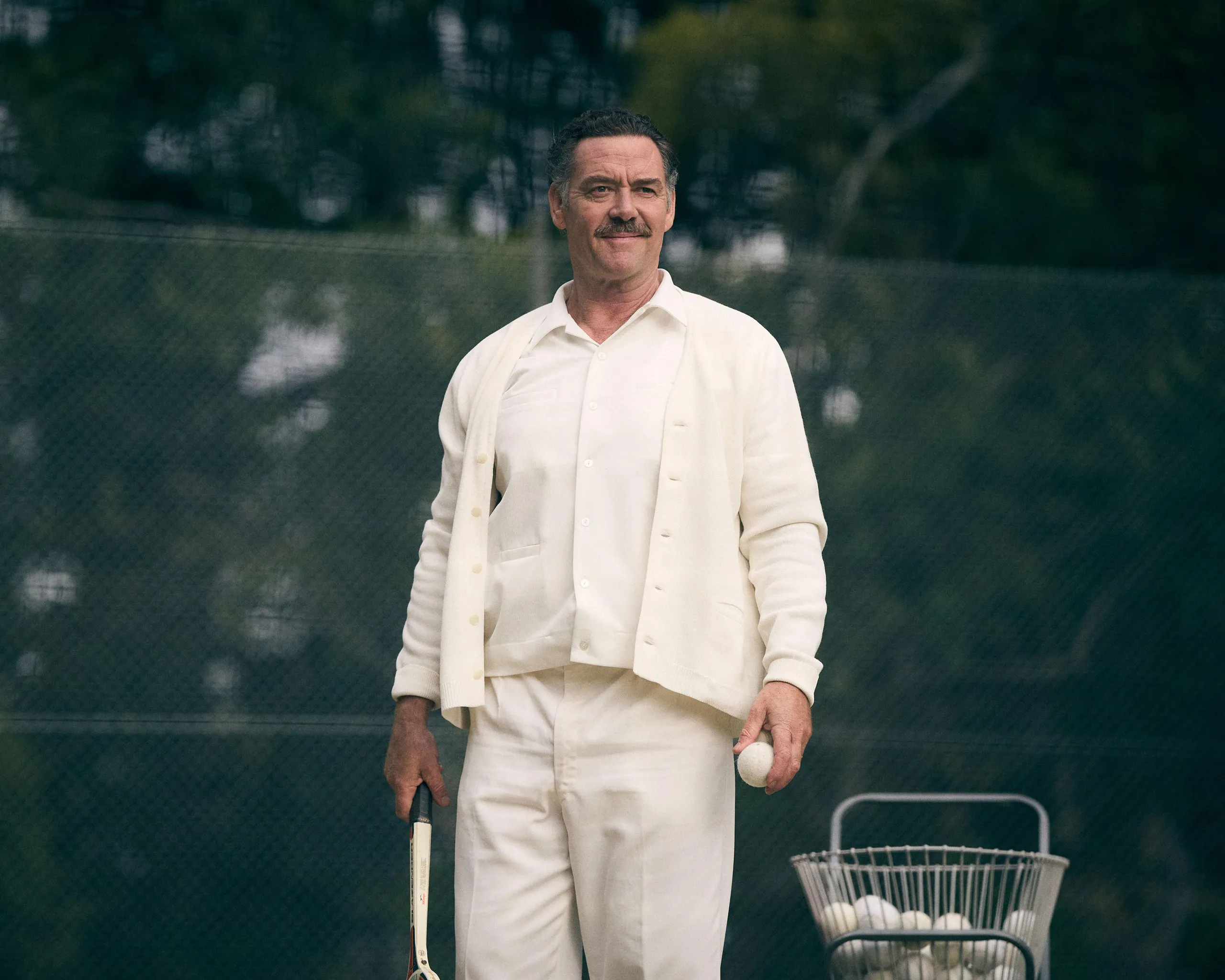
Unfortunately, Goolagong’s journey is marred by instances of financial abuse and sexual harassment from her coach, Vic Edwards. The stark contrast between the lighter moments and the predatory behaviors of Marton Csokas’s character creates a jarring transition. Edwards, who takes Goolagong from her impoverished but loving Wiradjuri family in Barellan, New South Wales, at the age of 14, not only grooms her for success in tennis but also exploits her vulnerability. Amidst these uncomfortable realities, Evonne’s mother ominously advises her, “When it stops being fun, come home,” a sentiment that foreshadows Evonne’s tumultuous relationship with the sport.
The series effectively addresses significant issues that loomed over the sport in the 1970s, including discussions on race, gender, and pay equity, without merely rehashing Goolagong’s life story. McGuire convincingly portrays the naive upstart who, although not unfeminist, inadvertently offends when she remarks to a journalist that she would play for free if necessary. This comment does not sit well with Billie Jean King, leading to Goolagong’s estrangement from her female peers.
Despite some overly sentimental scenes, the performances of Hart, McGuire, and Rilee Clarke, who depict Goolagong at various stages of her life, ground the narrative. The supporting cast, particularly Luke Carroll as her father Kenny and Chenoa Deemal as her mother Linda, also contribute significantly. Additionally, the budding romance between Evonne and English tennis journalist Roger Cawley, played by Felix Mallard, adds a charming element to the story—though Vic Edwards’s alleged interference, including his deceit about not being invited to their wedding, casts a shadow over their relationship. Ultimately, while Goolagong offers moments of charm, it struggles with tonal consistency. The final episode, showcasing Goolagong’s return to tennis months after giving birth to her daughter Kelly in 1977, drags on, creating an atmosphere of forced tension, culminating in a triumphant second Wimbledon title.
While uneven,Goolagongtells a story that rightfully belongs on screen. The concluding slideshow featuring real images of Evonne reinforces the notion that a documentary might have been more impactful. The narrative concludes with her commitment to nurturing a new generation of talented Indigenous children through her tennis charity, encouraging them to dream, believe, learn, and achieve. After 51 years of marriage to Roger, the series ends with a moving clip of Evonne and McGuire waving to a crowd, encapsulating the emotional resonance of her journey. It may not be groundbreaking, but it is indeed a heartwarming tribute.
- Goolagongaired on BBC Four and is available on iPlayer now.