

The passion surrounding the World Cup, often described as one of the most exhilarating experiences, remains largely confined to stadiums and fan gatherings in the United States. This is a familiar scenario, reflecting the limited appeal of football in North American culture.
The contrast is stark when comparing the experience in the US to that in Brazil, where I currently find myself after following the national team in North America. The integral role that football plays in Brazilian society underscores why the national team becomes the focal point during the World Cup.
In the US, football does not dominate like other sports. It faces stiff competition from well-established sports like the NFL, baseball, and basketball, along with the Olympic Games. After experiencing the World Cup atmosphere in America, it’s clear that football is not the primary cultural touchstone there.
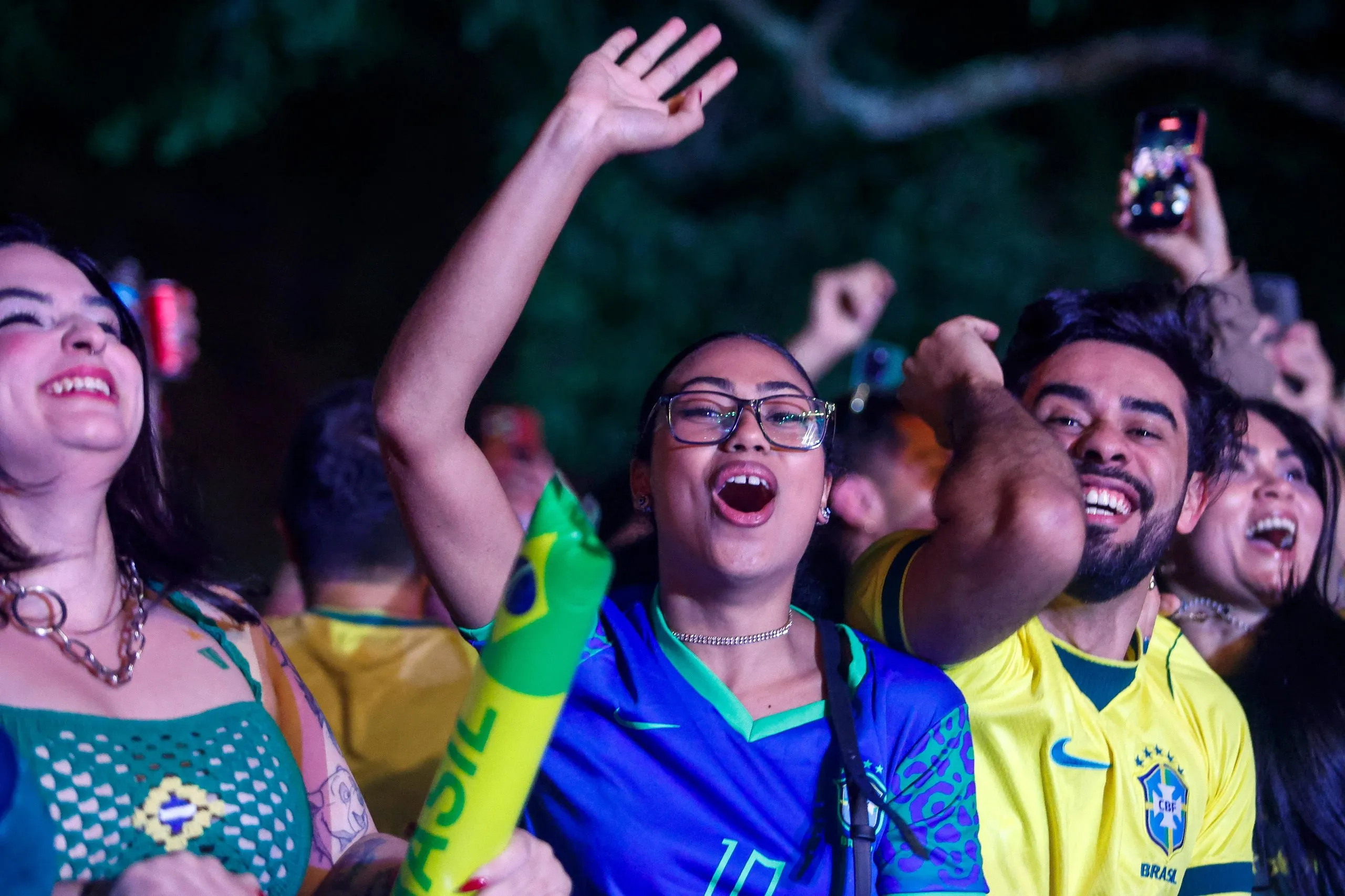
Upon returning to Brazil, the palpable difference in ambiance and the emotional release that the national team can evoke is evident. For many hardworking individuals, the World Cup represents a chance to express pride and showcase achievements in a sport where Brazil excels.
This pride is not merely reflected in the number of World Cup titles we hold but also in our deep emotional connection to the sport and the joy it brings us. The thrill of well-played football lights up our spirits and reinforces our affection for the Seleção and the game itself.
During my time in the US, I often struggled to find a football match on television. In Brazil, however, the sport commands such popularity that there is always a game available, broadcast from across the globe. While other sports like volleyball, motorsports, and basketball also attract attention in Brazil, none rival the status of football.
The rhythm of life in Brazil, often referred to as the “land of football,” is heavily influenced by the national team’s journey through the World Cup. Work schedules adjust, and even public services adapt to accommodate match times. Daily routines may not cease, but they are often molded around the timing of Brazil’s games. As one common saying goes, after the matches, we “play catchup” with our daily responsibilities.
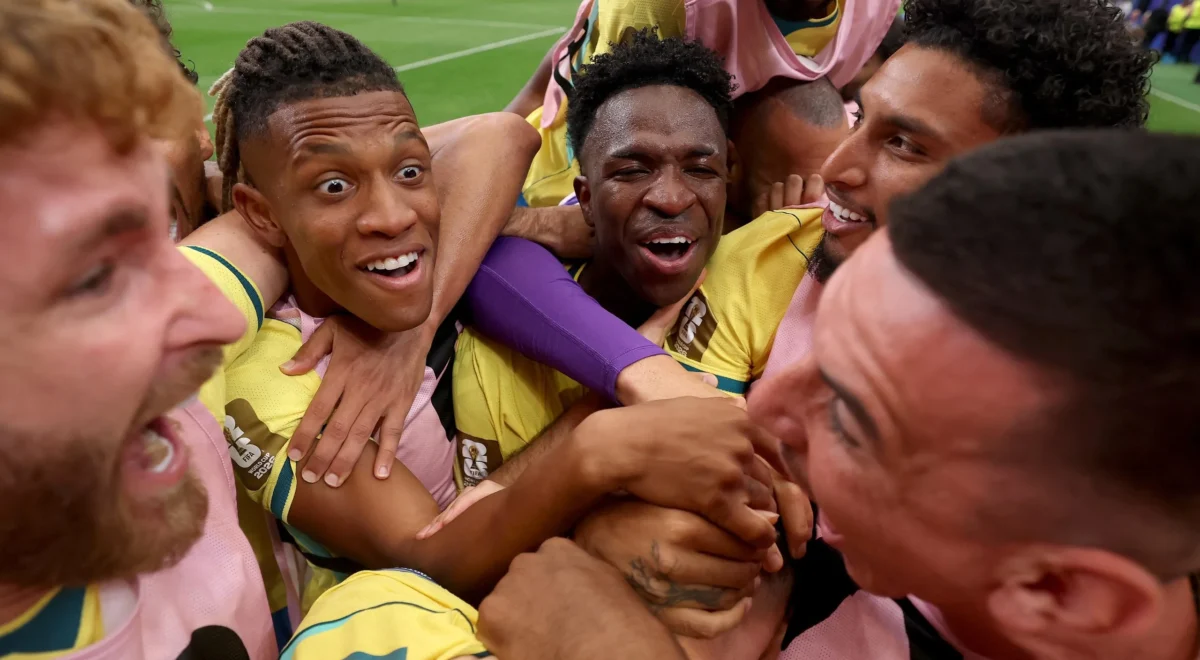
This sense of anticipation intensifies as the team progresses. Following a draw against Morocco, Brazil celebrated victories in the group stage against Haiti and Scotland. The excitement reached new heights as we prepared for the upcoming match against Japan, and now we look forward to facing Norway in the knockout stage.
While massive celebrations accompany the national team’s matches, Brazilians also appreciate the entire tournament, enjoying high-quality matches regardless of the teams involved. Notable encounters have included showdowns like the Netherlands facing Japan, Ecuador against Germany, Uruguay competing with Spain, as well as Portugal versus Croatia, France clashing with Sweden, and England meeting the Democratic Republic of the Congo.
The love for football runs deep in Brazil, and this passion extends to anyone who shares it. Across the nation, whether in bustling cities or small villages, football serves as a unifying force around which life revolves.
A typical conversation in Brazil might go like this:
“Would you like to catch a concert, movie, or show tonight?”
“Sure, but can we wait until after my team, the national team, or any team plays?”
During Brazil’s match against Norway, families will likely gather around a television or a large screen to collectively enjoy the experience, welcoming participants of all ages. The pre-match discussions will be filled with predictions and analyses from the nation’s 200 million self-proclaimed experts.
As the 90 minutes unfold, many fans will even wish for extra time or penalty shootouts to prolong the thrill. Following the game, the banter begins immediately after the final whistle, with no designated end time. If the match occurs on a Saturday or the eve of a holiday, the prospect of an extended celebration enhances this cherished ritual.
- World Cup 2026
- Brazil
- World Cup
- features