

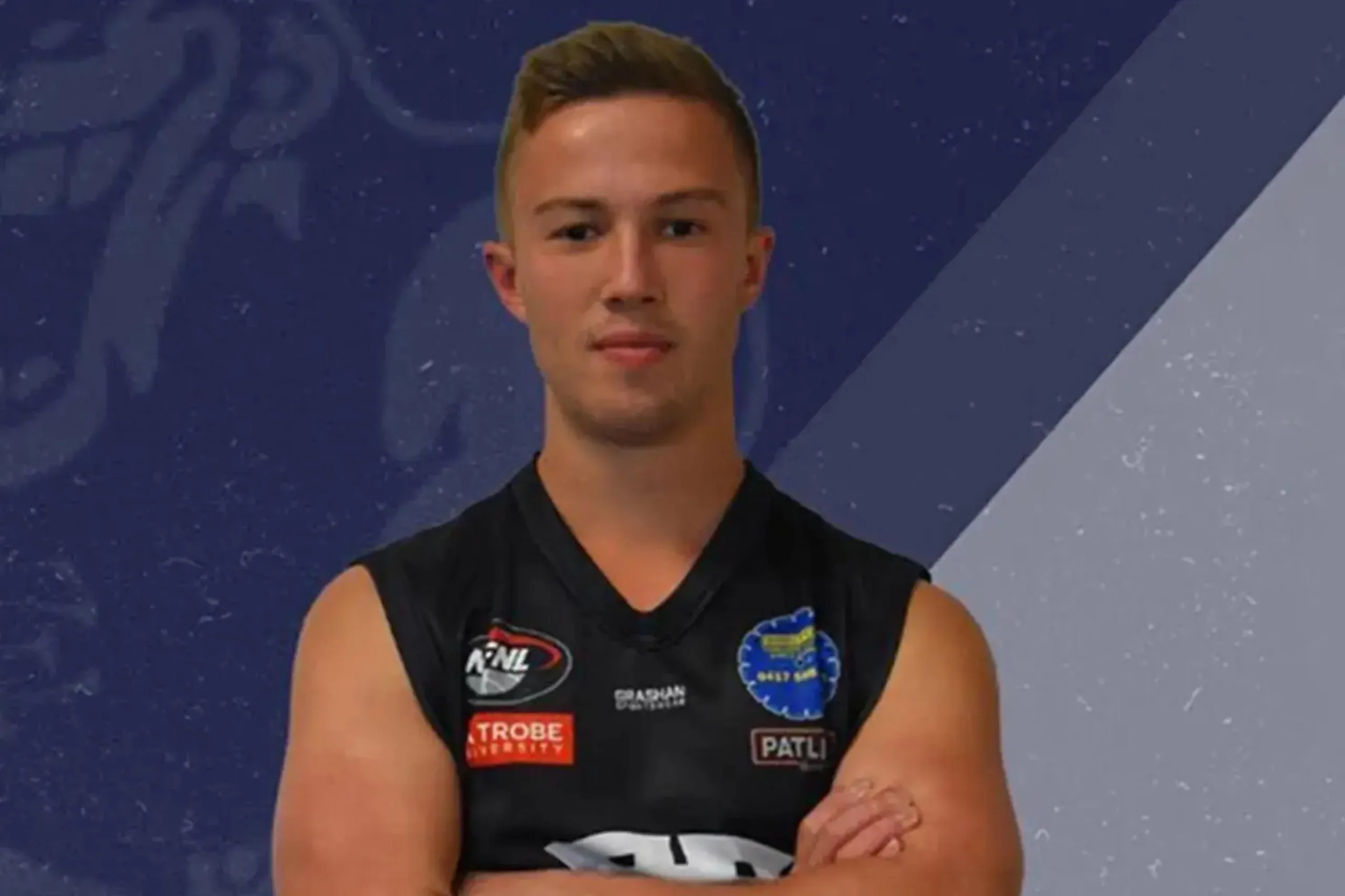

Nathan Fitzgerald played as a back pocket for the Epping reserves, looking forward to his second week of school holidays. A teacher by profession, he spent the morning watching the Socceroos with his father and younger brother. By Saturday night, he planned to catch the Richmond-Carlton match. Recently, he had also proposed to his long-term girlfriend.
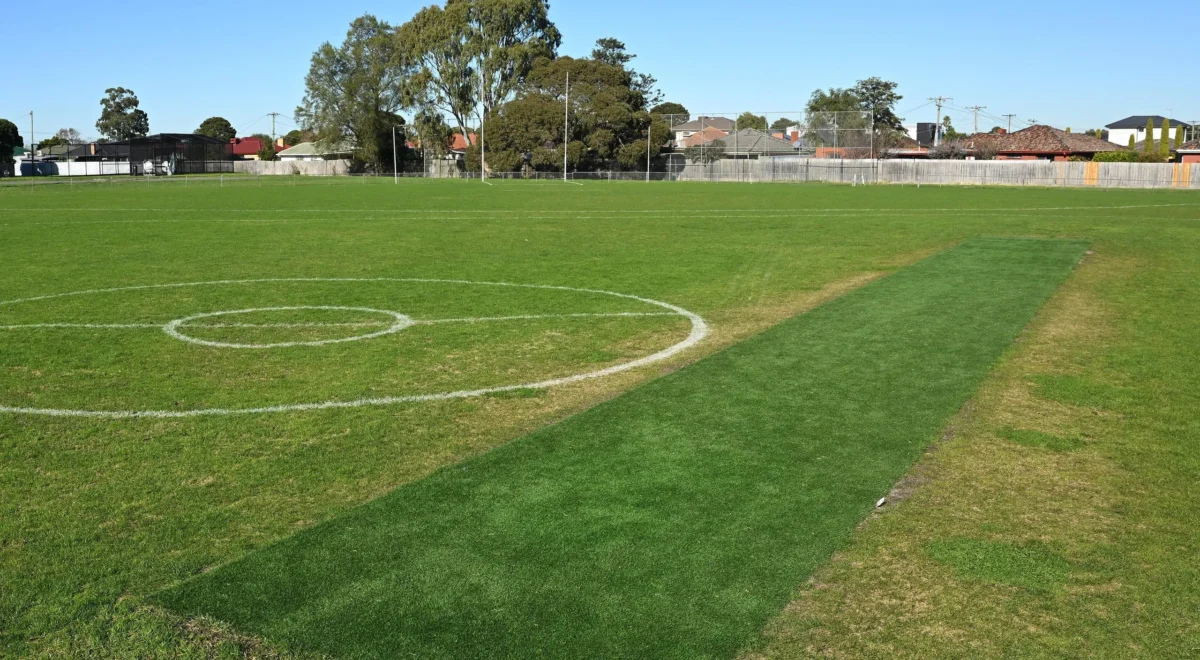
While the Northern Football Netball League has witnessed significant investments and marquee signings over the years, the same cannot be said for the third division or reserve teams. Most players at Epping are locals who have developed their skills through the club’s junior programs. Mernda Central College, where Fitzgerald teaches maths and science, accommodates nearly 1,800 students from prep to year 12. Some of these students attended his game at Lalor Recreation Reserve, where they observed the umpires assessing the pitch. They saw the away team gain an early nine-goal advantage, the first clash of heads, and the moment when Nathan’s head struck another player’s leg, followed by a collision with the “multilayered synthetic surface” concealing a concrete cricket pitch.
The topic of safety concerning this concrete pitch has sparked considerable discussion. Neurophysiologist Professor Alan Pearce remarked, “common sense would tell you that this was an accident waiting to happen. There is no give in a concrete structure, so there is no absorption for the brain.” Peter Jess, a former player-manager turned advocate, has labeled the AFL a “It wasn’t the game’s fault,” He insists that the league should implement annual safety inspections for all grounds utilized in the sport’s various levels. He argues that it is unacceptable for lower-tier football to adhere to different safety protocols than those in the top tier. This is particularly concerning for a league that still struggles to define what constitutes a goal. Expecting them to enforce universal safety measures across thousands of ovals used for junior, men’s, women’s, and seniors games weekly is a daunting task.
Similar conversations arose following the tragic death of 17-year-old Ben Austin, who suffered a fatal head injury during cricket training in Melbourne last October. Cricket, inherently risky, leaves players vulnerable to various factors, including the toss, weather, playing surface, equipment, bowler, and ball. All cricketers face similar threats, whether they are up against Mitchell Starc at Lord’s or practicing in suburban Melbourne. Ben’s father, donning his late son’s club cap, shared his thoughts days later, stating, “It wasn’t the game’s fault.”
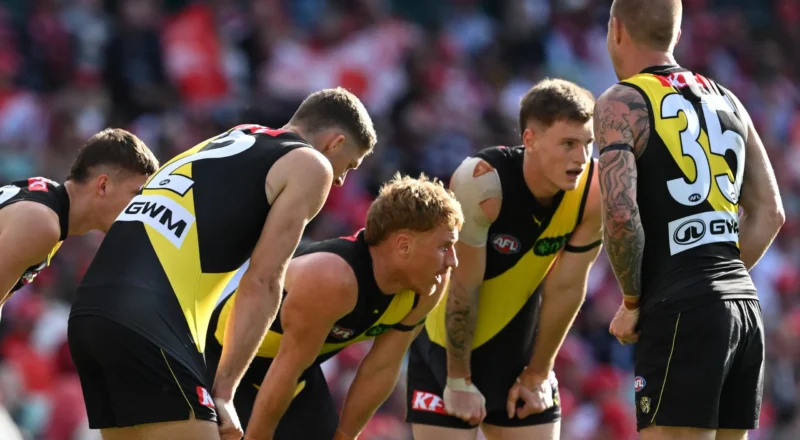
The dangers faced by a footballer differ significantly from those of a cricketer, particularly for reserves players in the suburbs compared to their AFL counterparts. League footballers compete on well-maintained grass, supervised by four umpires, and benefit from a robust players’ union. However, as players grow larger and the game accelerates, the impacts intensify, making it increasingly challenging to secure insurance.
Local football presents unique risks that fluctuate based on the quality of play, umpiring, availability of ovals, and access to medical assistance. These challenges are magnified in clubs that operate with limited resources, particularly in fast-growing municipalities where oval space is at a premium. Local athletes often note that a concrete pitch covered with synthetic material is not especially rare and poses no greater danger than uneven grounds or fields that double as dog parks, hardened turf wickets, or boundary fences that are too close. Many who have participated in contact sports have encountered their share of tragedies, freak accidents, and close calls, moments where players seem to be at the mercy of unpredictable forces. Two years prior, Michael Pisker, a player in Melbourne’s premier amateur league, endured a knee to the eye socket, resulting in severe facial, skull, and brain injuries. He spent two weeks in a coma and ultimately lost an eye.
In situations like this, it is instinctive to seek someone or something to blame—the tackler, the AFL, local councils, or even the sport itself. However, confronting the inherent risks associated with playing such a sport is far more complex, a reality that every adult participant comprehends. This is where the tragedy of Nathan’s death diverges from the tragedies associated with CTE. The significant issue with CTE is that players and parents were not fully aware of the risks. They lacked education on the dangers involved. The governing body heeded the wrong voices.
Nathan Fitzgerald’s passing serves as a stark reminder. In a sport that is promoted as an exhilarating experience, measured by viewership and attendance, managed like a mid-tier law firm, and scrutinized as if it were a puzzle to be unraveled, it remains an inherently perilous activity. It underscores the presence of a vast football community outside the AFL, one that harbors the same enthusiasm and faces different yet equally serious dangers as the professional players. Each week, nearly 700,000 Australians participate in football for their clubs and schools. Tragically, one of them did not return home this past weekend.
- This is an extract from Guardian Australia’s free weekly AFL email, From the Pocket. To get the full version, just visit this page and follow the instructions
- AFL
- From the Pocket: AFL Weekly newsletter
- Australian rules football
- Australia sport
- newsletters