

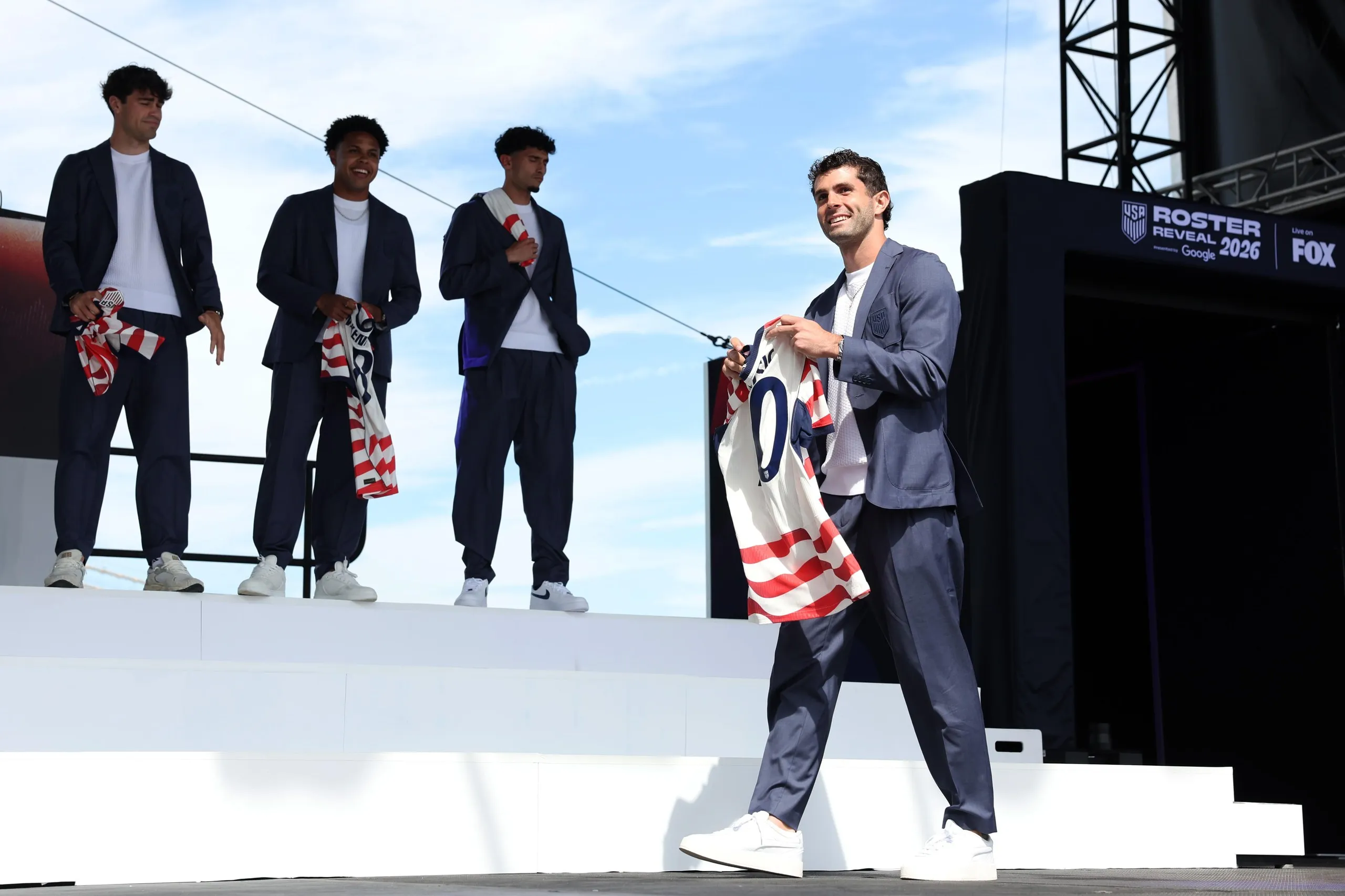
This article is part of the 2026 World Cup Experts’ Network, a collaboration among leading media organizations from the 48 countries that qualified. Daily previews are being published leading up to the tournament, which kicks off on June 11.
The Strategy
As host nations secure an automatic berth in the tournament, a qualifying campaign could have provided clarity on the USA’s optimal game plan.
Under the guidance of Mauricio Pochettino, who has overseen significant tactical shifts during his time in charge, the objective remains to maintain control of matches. The USA maintained approximately 60% possession in encounters against lower-ranked teams like Paraguay, Australia, and Ecuador last autumn, while matchups with stronger opponents, such as Uruguay, Japan, and Belgium, saw a more even possession split.
Pochettino’s usual high-pressing style has been less prominent in recent games. Instead, he has focused on implementing a mid-block defense to restrict opponents’ opportunities in the attacking third.
In attack, the USA seeks to connect passing sequences through the midfield, utilizing two attacking midfielders supported by a double pivot to navigate through the center. Width is predominantly provided by full-backs or wing-backs, with midfielders occasionally drifting to create numerical advantages.
Despite a limited pool of center-backs, Pochettino successfully deployed a back three with wing-backs last fall, though he reverted to a 4-2-3-1 formation during a disappointing 5-2 defeat to Belgium in March.
Both formations function similarly, operating as a 3-2-5 while in possession and transitioning to a 4-4-2 or 5-3-2 when defending. The challenge lies in whether Pochettino can optimize his team’s structure with five defenders, as evidenced by a resounding 5-1 victory over Uruguay, or field his best players despite the tactical implications, as seen in the loss to Belgium.
“Belgium and Portugal have, in the top 100 players, [a] few or some players in that top 100. I think we don’t have [any],” Pochettino remarked following a 2-0 defeat to Portugal, their last match before naming the squad.
While not among the elite, Pochettino’s 26 selections have received positive messages from fans, in stark contrast to those overlooked. The squad includes players who contribute positively regardless of their specific roles, fostering a more unified atmosphere than four years ago. Once the match starts, this group aims to demonstrate their ability to dominate games, moving away from the counter-attacking style of past World Cups. Their goal is not only to perform stylishly but to achieve results against top-tier competition.
The Manager
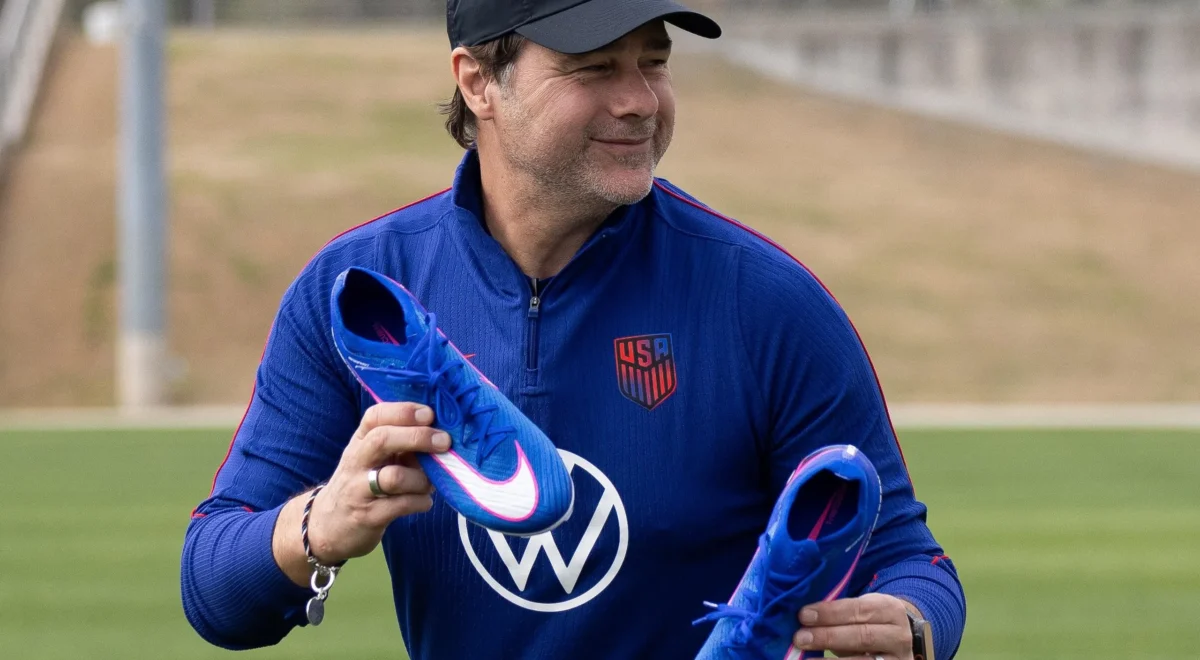
Mauricio Pochettino, one of the tournament’s notable managers, chose to venture into international soccer following a challenging tenure at Chelsea. A former player, he represented Argentina at the 2002 World Cup, bringing physicality and tactical acumen as a center-back. He is revered in parts of north London for leading Tottenham through a remarkable period. Appointed in 2024 after the USMNT’s early exit from the Copa América under Gregg Berhalter, Pochettino is anticipated to return to club management after this tournament.
Key Player
Despite being excluded from the top 100 players list by Pochettino and the voting panel, Christian Pulisic remains a crucial player for both the USA and AC Milan. The 27-year-old has been the face of the USMNT since their failure to qualify for the 2018 World Cup, shouldering significant pressure to lead the team into a new era of competitiveness. This year has been challenging for the forward from Hershey, who has not scored since last December. Nevertheless, his skill in evading defenders and creating scoring opportunities makes him a primary focus for opposing teams.
Player to Watch
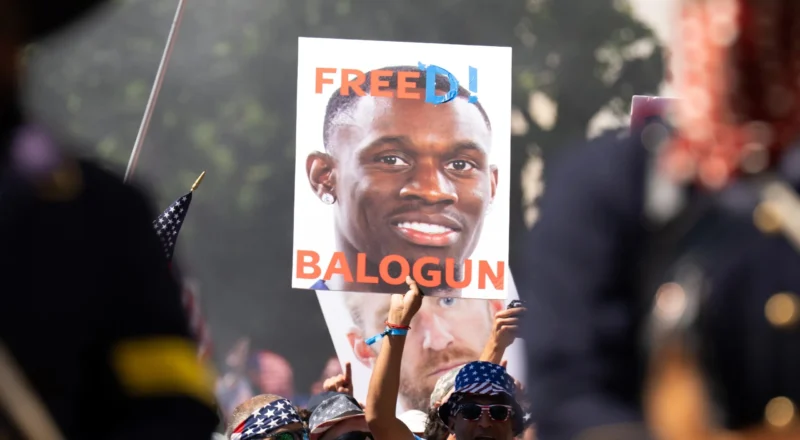
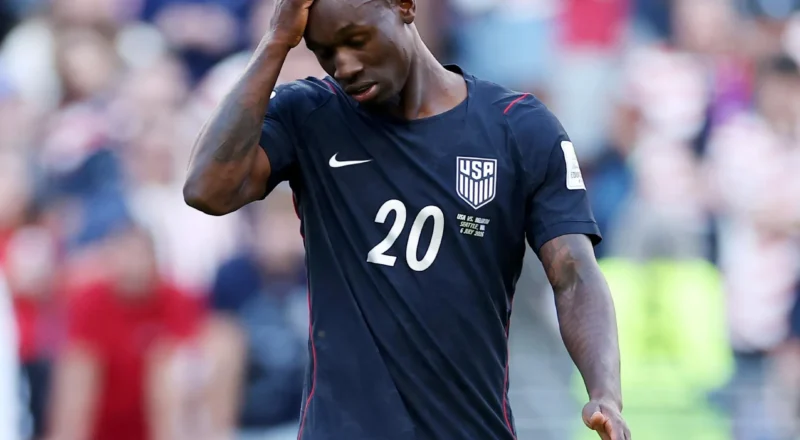
With the departures of Jozy Altidore and Clint Dempsey, the USA adopted a striker-by-committee strategy during the 2022 cycle. Securing Folarin Balogun’s commitment to represent the USA over England and Nigeria was a significant achievement. Balogun, an Arsenal-raised striker valued at over $40 million in the transfer market, is a proficient finisher known for his movement to capitalize on scoring opportunities and his ability to shoot from distance when provided with the right service. While his form at Monaco has varied, he showed strong performance this spring and is the latest player to don the No. 20 jersey for the USA, following in the footsteps of Brian McBride.
Unsung Player
Possibly rivaled only by Tyler Adams, Chris Richards is arguably the most indispensable player on the USA roster. An FA Cup champion with Crystal Palace in 2025, Richards is a reliable presence in defense, characterized as a modern center-back with excellent defensive metrics, both on the ground and in the air, as well as the passing range necessary for possession-based play. His contributions often went unnoticed until Marc Guéhi’s departure shifted attention back to him; similarly, his partnership with Tim Ream has been an overlooked asset throughout this cycle. A strong performance this summer could inspire future generations to value the importance of solid defending.
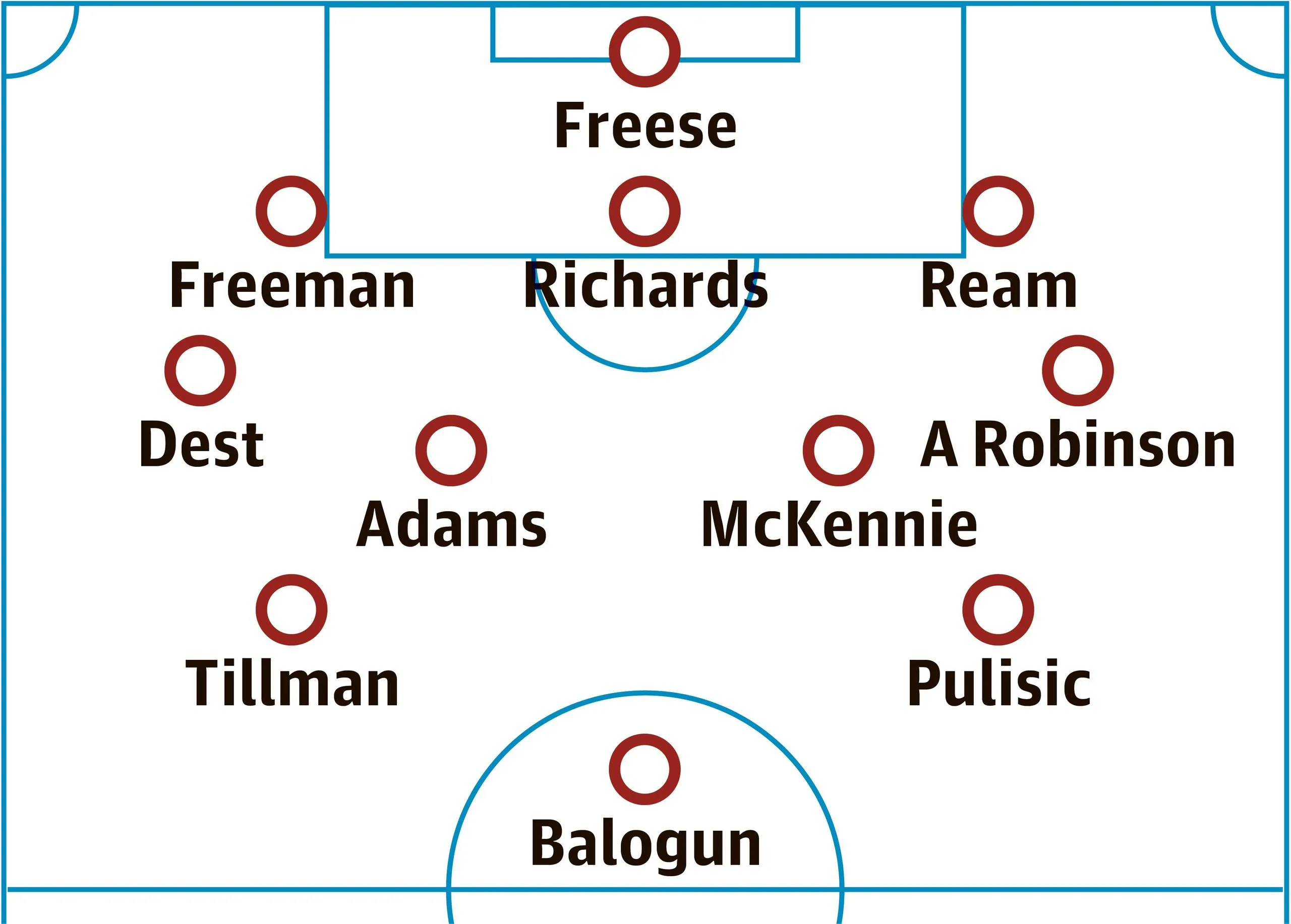
Expected Starting Lineup
Fan Expectations at Matches
After a difficult March window, optimism among fans is limited, compounded by the high costs associated with this World Cup. The price of admission is so steep that it may dampen support compared to previous tournaments with more affordable ticket prices. The substantial financial commitment might influence the atmosphere in the stands, adding pressure to justify the expense. Expect the familiar sights of red, white, and blue, chants of “U-S-A! U-S-A!” and fans dressed as Revolutionary War patriots and bald eagles.
What’s at Stake?
While the 1994 World Cup ignited interest in soccer across the nation, the 2026 tournament is seen as an opportunity for the sport to gain even greater visibility. Domestic leagues have aligned their mid- to long-term strategies with this summer in hopes of attracting new audiences. However, if fans do not return to support their local clubs—especially given the exorbitant costs—concerns about investor interest may arise.
On the field, the USA has faced last-16 exits in 2010, 2014, and 2022, leaving them without a quarter-final appearance since 2002. Once regarded as a possible golden generation, a deep tournament run could redeem a fluctuating cycle and validate Pochettino’s high salary. Conversely, failure to advance may prompt fans to look ahead to the next generation, hoping for a team that can establish itself among the top ten globally.
- World Cup 2026: Experts’ Network
- USA
- World Cup
- World Cup 2026
- features