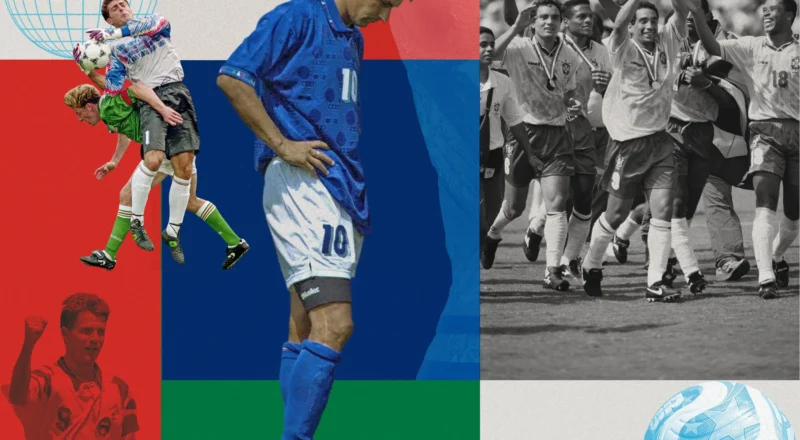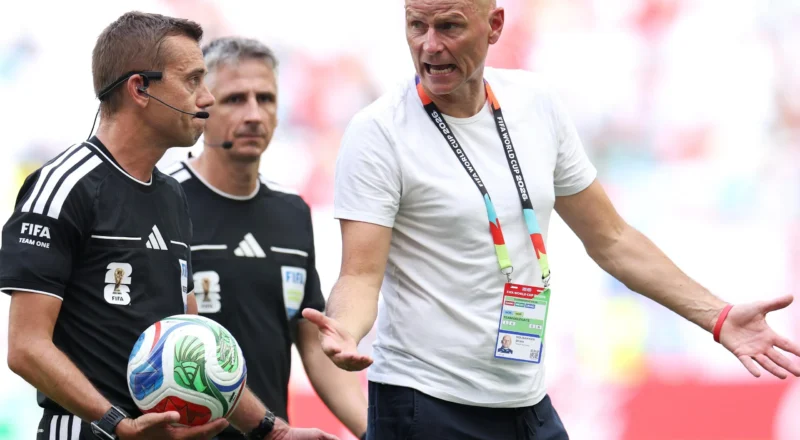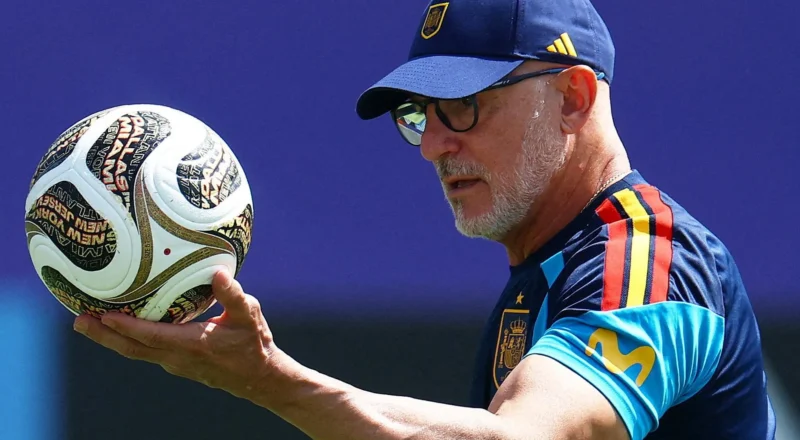


World Cup matches carry significant weight, transcending typical sporting events. England has only participated in 79 World Cup games since their debut 76 years ago, a number comparable to just over two Premier League seasons. These matches attract massive audiences, with more than 17 million viewers in the UK tuning in to watch their recent victory over Norway, despite the late hour. Across the globe, World Cup games spark extensive discussion and analysis, becoming pivotal cultural moments that unite fans in anticipation, despair, joy, and reflection.
Memorable moments from these matches serve as cultural references. Games from decades past can evoke immediate recognition, something not typically seen in league matches. The mistake made by Senne Lammens, which led to Belgium’s elimination against Spain, drew a larger audience than the average Manchester United game. Unlike league fixtures, where errors may fade quickly, such a blunder in the World Cup becomes a lasting part of a player’s narrative, potentially overshadowed only by future redemption.
The limited number of World Cup games enhances their significance, making every match crucial. This scarcity is precisely why proposals to hold the tournament every two years should be firmly rejected; less truly is more. The weight of history is palpable, as nations compete not just against their opponents but also face the haunting echoes of their past performances. The psychological component of World Cup football far outweighs its presence in regular league play.
Spain’s Semi-Final History
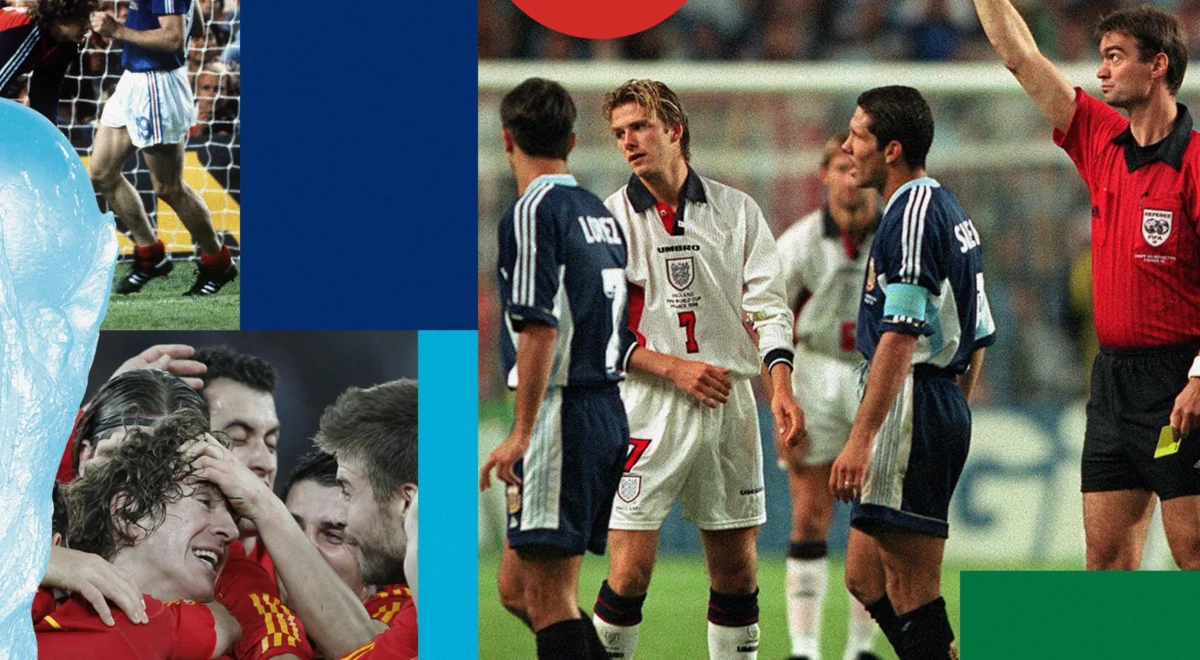
Spain has reached the World Cup semi-finals just once before, triumphing 1-0 over Germany in 2010. This match epitomized their tactical mastery, as they gradually wore down their rivals until Carles Puyol secured victory with a header in the 73rd minute. Spain’s journey to that success marked a significant turnaround in their history of underachievement, particularly following their Euro 2008 win. While they have advanced to the Euros semi-finals six times, winning five, their solitary final loss in 1984 came at the hands of France, their next opponents in the upcoming semi-final. Additionally, they were eliminated by France in a memorable quarter-final during Euro 2000 when Raúl missed a late penalty that could have equalized the score.
France’s Semi-Final Demons
France, too, carries its own historical burdens, especially concerning semi-final matches. The horrific 1982 game in Seville is often regarded as one of the darkest nights in their football history. During that match, substitute Patrick Battiston suffered a severe foul from West Germany’s goalkeeper, Toni Schumacher, leaving him unconscious with multiple injuries. Despite leading 3-1 in extra time, France succumbed to West Germany, losing in the first penalty shootout in World Cup history. They faced a similar fate four years later in another semi-final against the same opponents. Although France has enjoyed three consecutive semi-final victories since then, the shadows of past failures remain ever-present.
England and Argentina’s Historic Rivalry
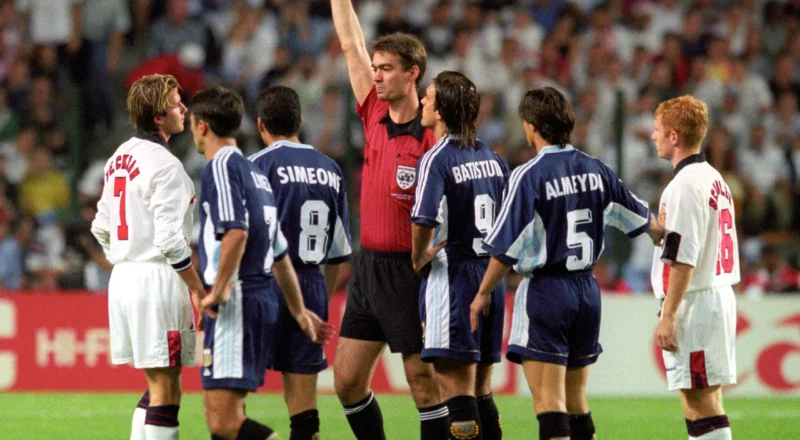
The rivalry between England and Argentina is steeped in rich history, far surpassing that of Spain and France. From Bobby Charlton’s goal in 1962 to Antonio Rattín’s controversial red card in 1966, and the infamous “Hand of God” in 1986 to David Beckham’s dismissal in 1998, the two nations have shared a tumultuous history on the pitch. Their last encounter occurred in Geneva in 2005, a match that transcended its friendly status, culminating in a thrilling showdown where Juan Román Riquelme initially led Argentina to victory until Michael Owen scored twice in the final minutes to clinch victory for England.
While memories of the encounters in 1998 and 2002 resonate strongly, the landscape has shifted over the past two decades. With many Argentinians participating prominently in the Premier League and the historical contexts of the Falklands conflict and the “Hand of God” fading, the animosity may have dulled somewhat. Nevertheless, the rivalry is deeply rooted and reflects a complex dynamic reminiscent of former colonial power and its former subjects. The first match between the two in 1951 was framed in Argentina as a pupil challenging their master, a sentiment that lingers even among today’s equally skilled teams.
England also has its own scars from past semi-finals, including the penalty shootout defeat to West Germany in 1990 and their loss to Croatia in 2018. This tournament has allowed England to begin overcoming some of their historical challenges, notably by securing victory at the Azteca Stadium. Their next hurdle will be to secure a win against Argentina in a knockout match.
- This is an extract from Soccer Desk: World Cup edition, a newsletter from the Guardian US that will run regularly during the tournament. Subscribe for free here.