

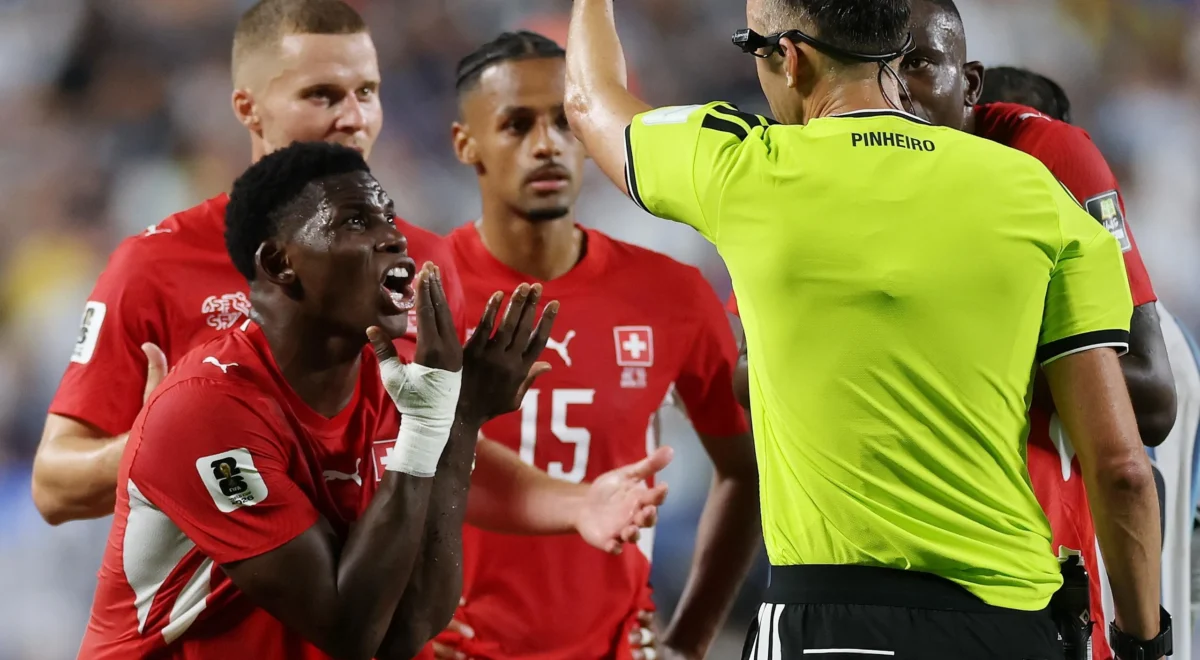
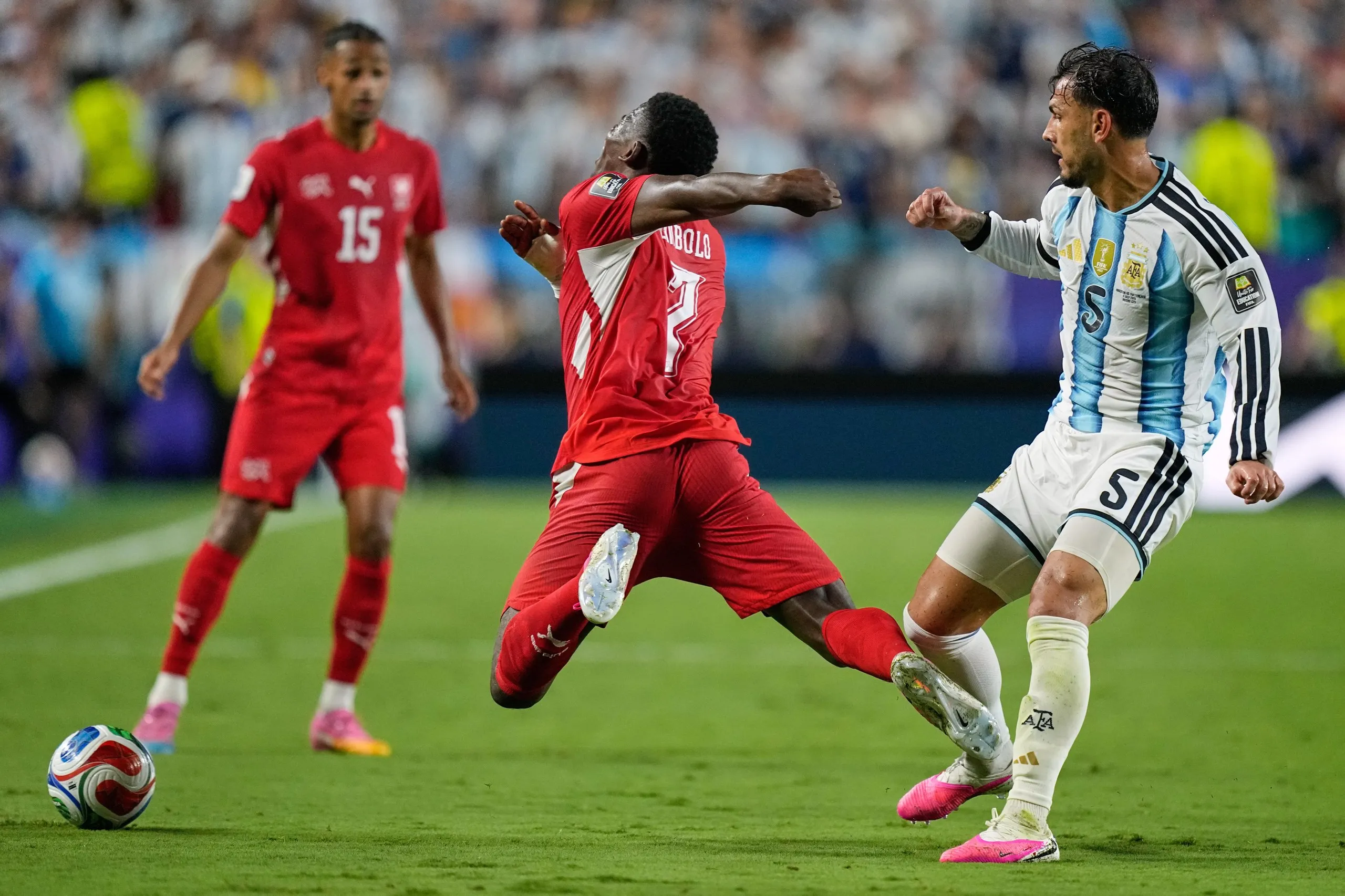
In a dramatic turn of events during Saturday’s World Cup quarter-final between Argentina and Switzerland, the term “It’s completely not understandable,” was invoked, leaving Swiss forward Breel Embolo in tears and his team down a player for 67 minutes against the reigning champions.
Switzerland’s head coach, Murat Yakin, expressed his disbelief following the match.
“I know that they will protect their referee but this rule destroyed the game today.”
The VAR review that led to Embolo’s red card transformed a previously dull match, with Switzerland having equalized through Dan Ndoye in the 67th minute, only to lose a player five minutes later due to the VAR intervention.
The pivotal moment occurred when Argentina’s Leandro Paredes challenged Embolo as he advanced upfield, seemingly making contact with his leg. Initially, referee João Pinheiro issued a yellow card to Paredes for the foul.
Yakin criticized the decision, stating.
“First of all, there was definitely no reason to award that yellow card,”
Remo Freuler, a midfielder for Switzerland, voiced his frustration.
“I don’t understand it, it was a harmless situation.”
The video assistant referee, Guillermo Pacheco Larios, suggested a review for mistaken identity after examining footage that showed Embolo leaving his feet before any contact was made by Paredes. The original foul was reclassified from reckless behavior by Paredes to simulation by Embolo, both warranting a yellow card.
As Embolo had already received a yellow card earlier in the match, he was subsequently sent off. Ironically, his first yellow had been for a clear foul on Paredes just before halftime.
Yakin remarked, “I don’t know what the referee is doing here. I don’t understand why they call him for a situation like this because there are many fouls [like this] in the first half. Maybe he has to call them for yellow card too.”
Freuler added, “It was decisive for the entire outcome of the match,”
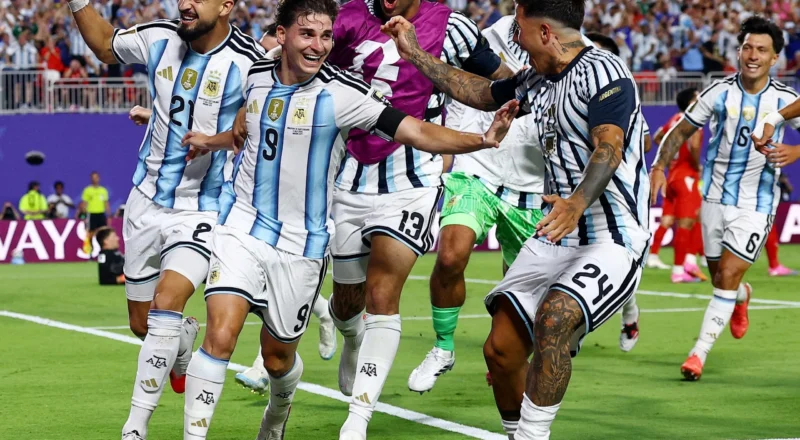
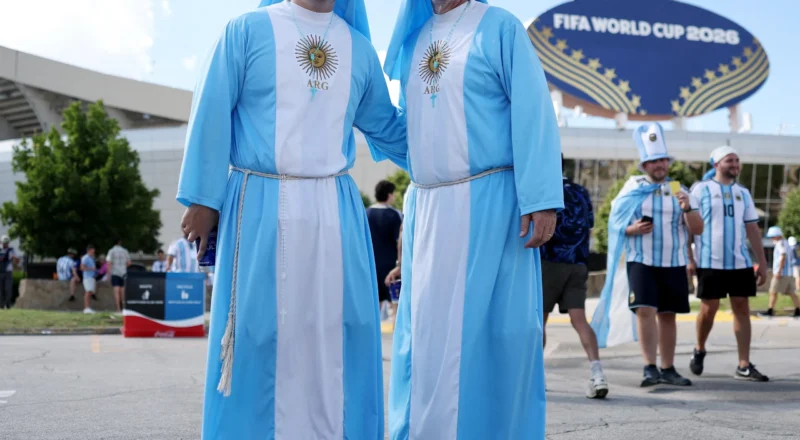
The Swiss bench erupted in shock when the decision was announced at Kansas City Stadium, igniting celebrations among the largely pro-Argentina crowd. Embolo, visibly distraught, had to be escorted off the pitch by teammates.
Yakin commented on Embolo’s emotional state.
“I don’t understand how can VAR change a game with this situation. Just let the referee do this thing, you know?”
Mistaken identity has been a legitimate reason for VAR reviews since its introduction, yet it has typically involved clear errors, such as a referee carding the wrong player. This World Cup saw a rule change by the International Football Association Board that broadened the definition to include instances where a player is booked for an offense committed by an opponent.
Yakin admitted he was unaware of this rule change prior to the match but remained critical of how it was implemented, stating, “You can imagine how he’s doing,”
This incident marked the second application of the mistaken identity rule at this World Cup. The first occurred during the opening match between the United States and Paraguay, where Tim Ream was initially cautioned, only for VAR to reveal that Miguel Almirón had dived, leading to the yellow card being rescinded from Ream and issued to Almirón instead.
While there were concerns about the implementation of that rule, FIFA confirmed its correctness. However, Saturday’s decision is likely to face heightened scrutiny due to its timing and impact: Argentina gained a one-man advantage just as Switzerland appeared to gain momentum. Consequently, Switzerland played through extra time with a reduced squad, ultimately conceding twice in nine minutes and exiting the tournament.