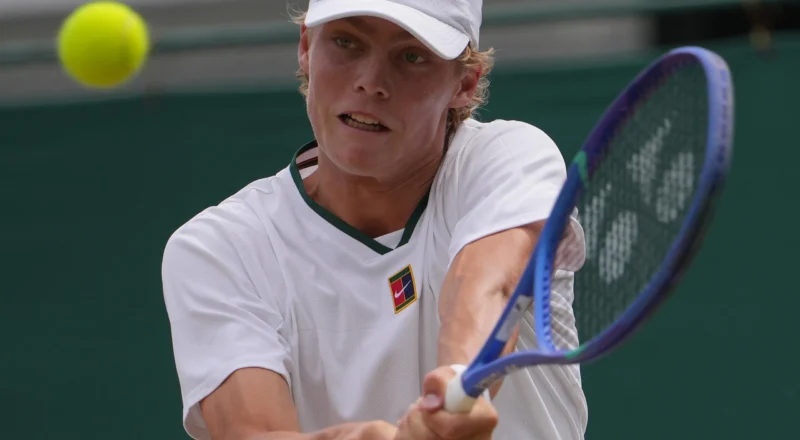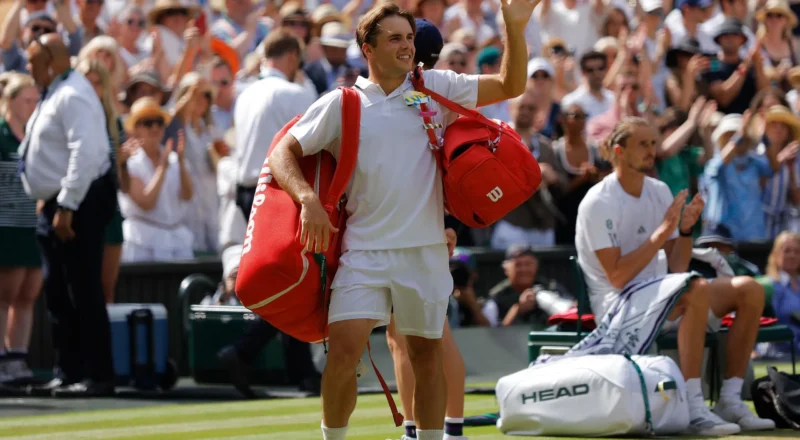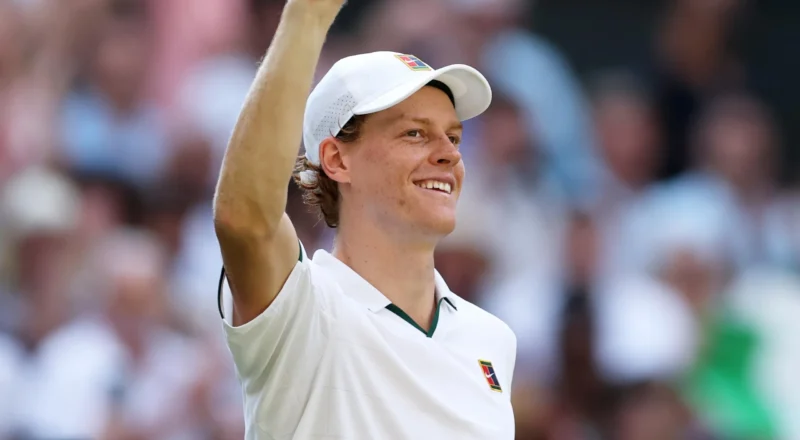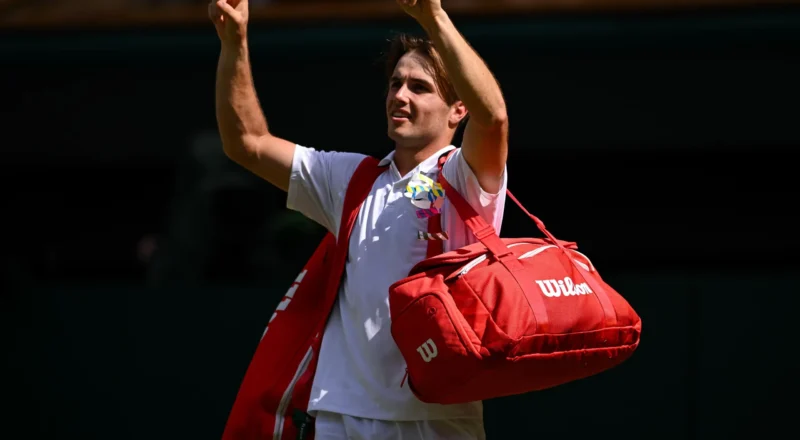


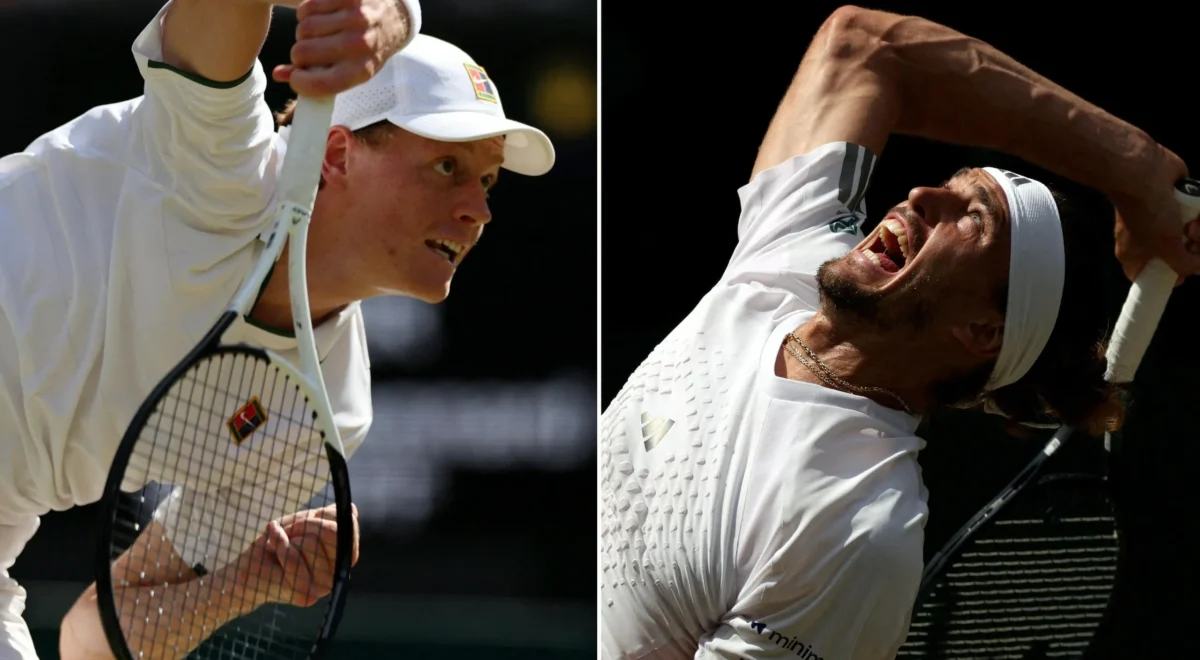
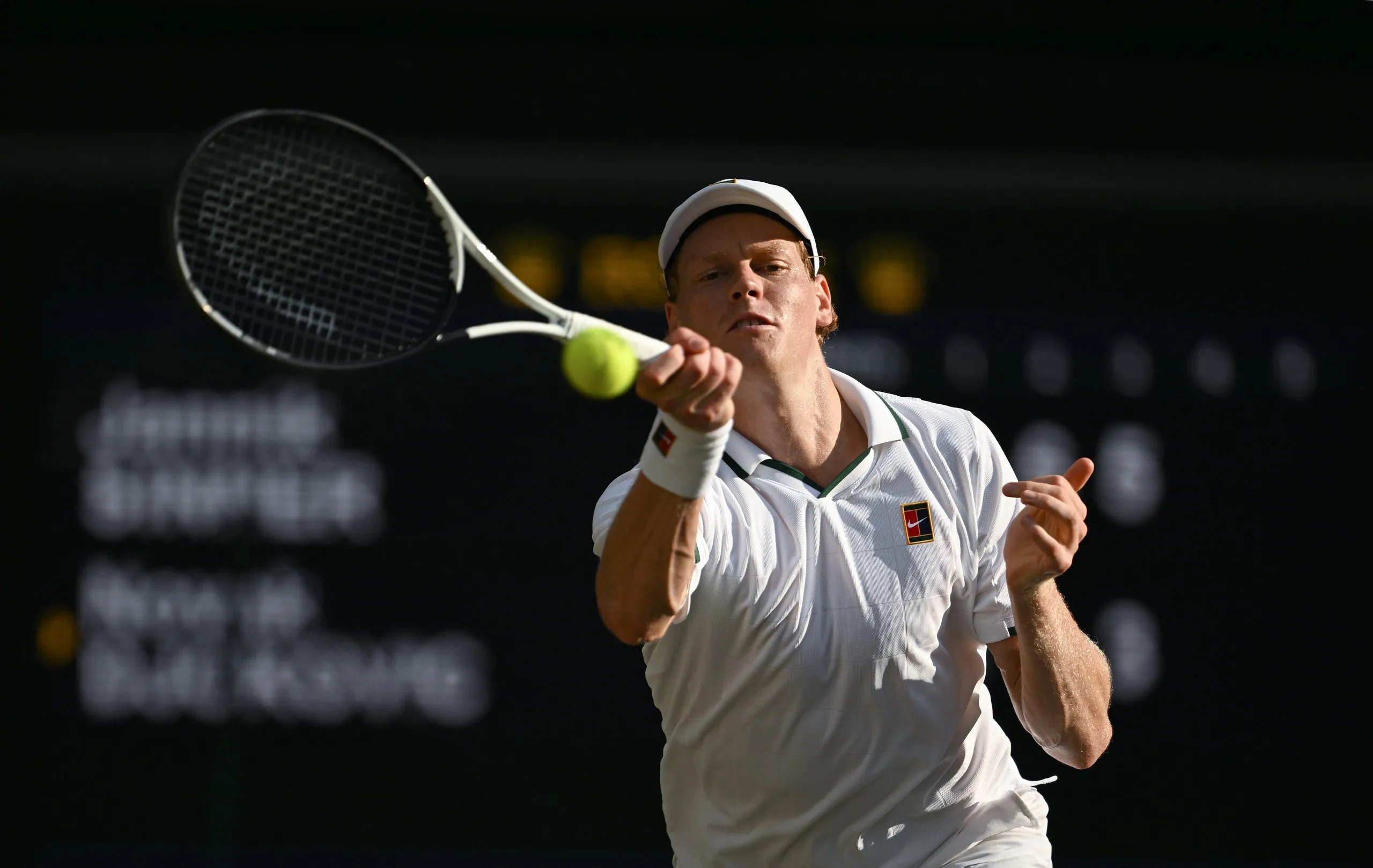
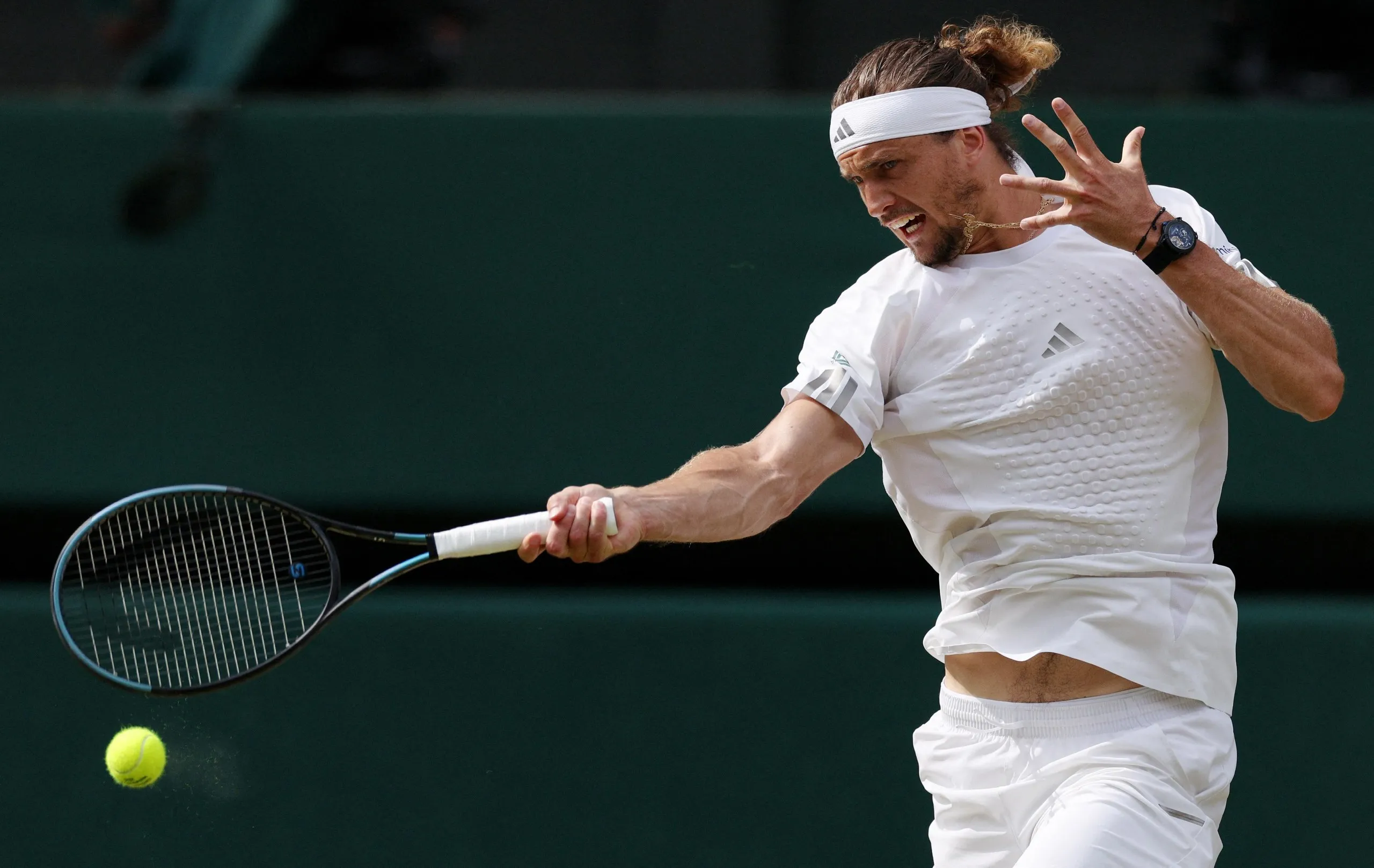
At the onset of Wimbledon, doubts lingered around Jannik Sinner’s mental state following his disappointing exit at Roland Garros. The significance of his loss was magnified by the confidence he had displayed throughout the clay season, making the circumstances of that defeat particularly painful.
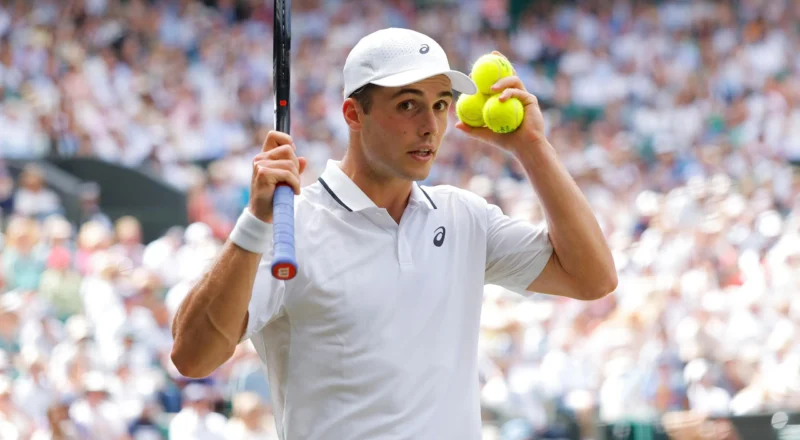
Leading comfortably against Juan Manuel Cerundolo, Sinner seemed poised for victory but faltered while ahead, ultimately losing the match. Despite his efforts to downplay the impact of this setback, the defeat was a bitter pill to swallow.
As Sinner faced Miomir Kecmanovic in the opening round of his title defense, the alarm bells began to sound when he fell behind two sets to one after a tense third-set tiebreak. This was compounded by his troubling history, having lost eight of his last nine five-set matches. However, demonstrating resilience, Sinner regained his composure, adjusted his forehand, and rallied to win, not dropping a set since.
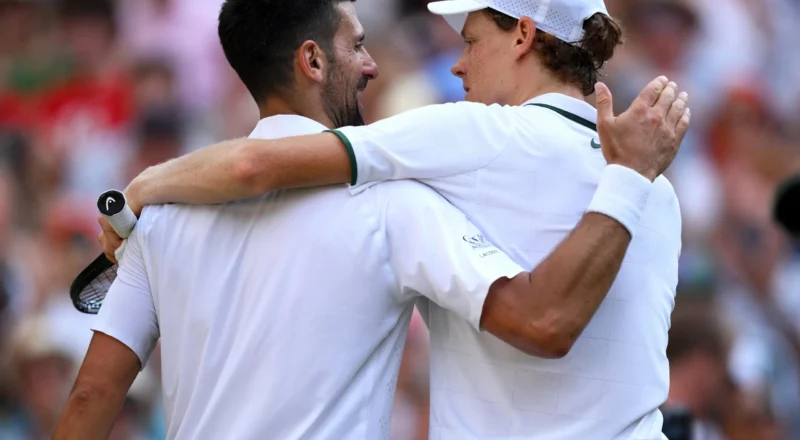
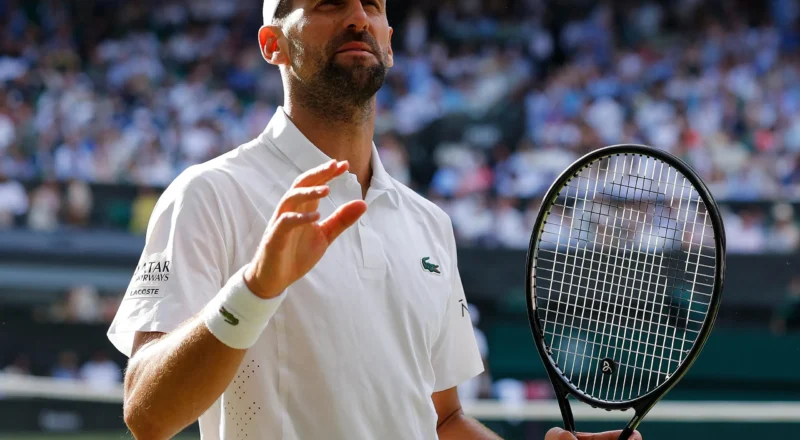
Sinner had not encountered any seeded players leading up to the semi-finals, but his performance against Novak Djokovic on Friday silenced any doubts about his form. He decisively overwhelmed the seven-time champion, showcasing exceptional serving and dominating the rallies, preventing Djokovic from mounting a comeback.
This performance confirmed that Sinner’s return to form was in full swing as he pursues a consecutive title. With Carlos Alcaraz still absent from the competition, Sinner asserts himself as the premier player in the world.
As he prepares to face Alexander Zverev, historical data suggests a clear trend in their matchups. At the 2023 US Open, Zverev secured a grueling five-set victory, marking his fourth straight win against Sinner after their initial encounter. However, since then, Sinner has regained his footing, winning nine matches in a row. Zverev has often been unable to keep pace with Sinner, particularly given their frequent matchups, including four this season, where Sinner has dominated.
Sinner’s streak against Zverev now extends to 14 consecutive sets, with some matches reflecting poorly on Zverev’s performance. Notably, in Paris last November, Zverev suffered a humiliating 6-0, 6-1 defeat. Their latest clash at the Madrid Open final in April saw Zverev enter the match lacking confidence, resulting in a swift loss of 6-1, 6-2.
After his unexpected exit in Paris, Sinner responded swiftly, yet his inability to maintain dominance on clay had far-reaching implications. This included Djokovic’s early exit and other top players failing to advance, which ultimately allowed Zverev to claim his first grand slam title at Roland Garros.
Although Zverev’s victory was not the most convincing, as his only significant opponent was the 14th-ranked Flavio Cobolli, the final was fraught with tension, reflecting the stakes for both competitors.
In light of recent events, the pivotal question remains whether Zverev’s long-awaited grand slam title marks a true turning point in his career. Will this breakthrough free him to play without fear in crucial moments, allowing him to attack and close out matches decisively? Or will he continue to feel the weight of his perceived inferiority when facing a formidable opponent like Sinner?
Reaching the Wimbledon final, thus completing his set of four major titles, is indeed a positive development for Zverev. Previously, he had never advanced past the fourth round at this tournament, and grass was considered his least favorable surface. Nonetheless, he has navigated through challenging opponents such as Jiri Lehecka and Taylor Fritz with success.
The disparity between Sinner and the rest of the field is glaring, particularly evidenced by Sinner’s record against Zverev. The pressure now rests on Zverev to alter this narrative.